Showing 73–77 of 77 results
-
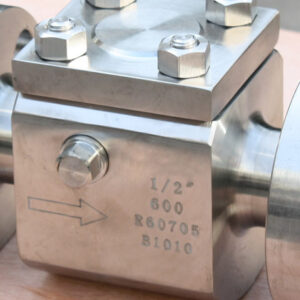
Check Valves made of zirconium offer excellent resistance to high-temperature acids. They are often used in acetic acid applications or on high-temperature heat exchanger pipes. They are also commonly used at nuclear power plants. Zirconium alloys offer excellent resistance to corrosion in agressive environments such as mineral and organic acids, alkalides, salts and other gaseous mediums. One of the main uses of zirconium alloys is in nuclear technology, as cladding of fuel rods in nuclear reactors, especially water reactors.
-
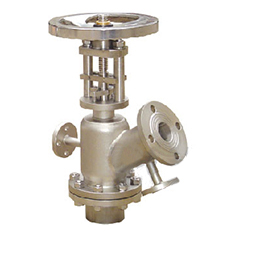
Zirconium alloys are solid solutions of zirconium or other metals.
-
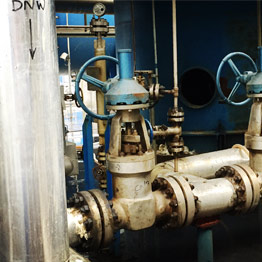
Zirconium gate vales known for excellent corrosion-resistant properties in chemical processing industry, Zirconium performs outstanding resistance to corrosive attack in most organic and inorganic acids, salt solutions, strong alkalis, and some molten salts.
As a exotic metal with unique physical and chemical corrosion resistance, zirconium has been widely used in special rigorous process and boasts irreplaceable applications in nuclear industry, aerospace, aviation and civil chemical industry.
-
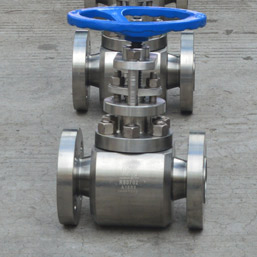
Zirconium, which has comprehensive properties such as high-temperature resistance, good corrosion resistance, processability, good performance, and low thermal neutron absorption cross-section, is an important structural material for nuclear reactors. Zirconium and its alloys are unique corrosion-resistant materials in alkali solutions of various concentrations and molten alkali, even better than tantalum.
-
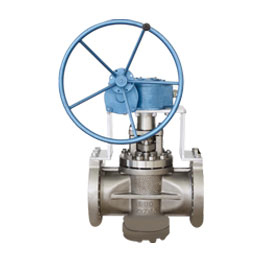
JST Zirconium Plug Valves are made from high-grade zirconium (Zr 702, Zr 705, UNS R60702, UNS R60705), offering exceptional corrosion resistance against acids, alkalis, and harsh chemical environments. Ideal for pipelines and equipment, they outperform titanium and niobium in durability and chemical process applications.