
Petrochemical Valves: 7 Selection Factors
Petrochemical Valves are essential flow-control components used to regulate, isolate, divert, and protect liquids, gases, steam, chemicals, polymers, and multiphase process media.
Petrochemical plants operate continuously and often combine high temperatures, high pressures, corrosive chemicals, toxic gases, abrasive particles, vacuum conditions, thermal cycling, and demanding emission-control requirements.
Reliable valve performance helps maintain stable flow, pressure, temperature, and process direction while protecting reactors, columns, compressors, pumps, heat exchangers, storage systems, and pipelines.
JST Valve supplies corrosion-resistant, high-temperature, high-pressure, metal-seated, automated, and customized valve solutions for demanding petrochemical applications.
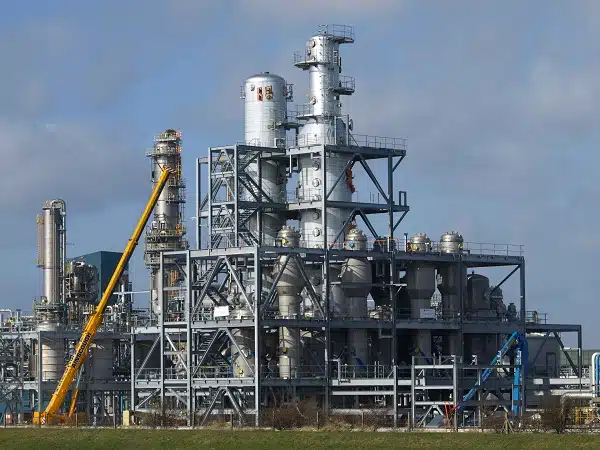
Typical Applications
Cracking, polymerization, aromatics, gas processing, chemical storage, steam systems, utility pipelines, and environmental treatment.
Common Process Media
Hydrocarbons, steam, fuel gas, hydrogen, acids, alkalis, solvents, toxic gases, polymers, slurry, and wastewater.
Common Valve Types
Ball valves, globe and control valves, butterfly valves, gate valves, check valves, plug valves, and emergency shutdown valves.
Where Are Petrochemical Valves Used?
Petrochemical Valves are installed throughout feed preparation, reaction, separation, compression, heating, cooling, storage, loading, utilities, and environmental-protection systems.
- Ethylene and propylene production units
- Polyethylene and polypropylene plants
- Aromatics, benzene, toluene, and xylene systems
- Hydrogen, synthesis gas, and fuel-gas pipelines
- Reactors, distillation columns, and separation equipment
- Compressor bypass and anti-surge systems
- High-pressure steam and condensate systems
- Chemical injection and catalyst-handling systems
- Storage tanks, loading terminals, and transfer pipelines
- Flare, vent, wastewater, and emissions-control systems
Why Petrochemical Valve Service Is Challenging
Petrochemical processes may expose valves to rapid pressure changes, high flow velocities, thermal cycling, vacuum conditions, corrosive chemicals, flammable hydrocarbons, toxic gases, and highly viscous polymer media.
High pressure drop can produce cavitation, flashing, vibration, erosion, and excessive noise. Dry gases or fluids containing solid particles may increase friction and damage seats, balls, discs, stems, cages, and sealing surfaces.
Some services also require extremely low external leakage, fire-tested construction, rapid emergency isolation, anti-static design, accurate control, or resistance to polymer buildup and process-media crystallization.
Engineering Note
A valve suitable for clean liquid hydrocarbons may not be suitable for corrosive acids, dry gases, toxic media, high-temperature steam, polymer melt, catalyst particles, or severe pressure-reduction service. Every valve duty should be evaluated separately.
7 Selection Factors for Petrochemical Valves
1. Process Medium and Chemical Composition
Identify the complete fluid composition, including primary chemicals, secondary components, contaminants, water content, solids, catalysts, chlorides, sulfur compounds, and possible off-specification conditions.
2. Temperature and Pressure
Normal temperature, design temperature, operating pressure, design pressure, vacuum conditions, and maximum differential pressure affect body rating, materials, seats, packing, gaskets, bolting, trim, and actuator sizing.
3. Corrosion and Material Compatibility
Acids, alkalis, chlorides, sulfur compounds, solvents, hydrogen, and process by-products may attack both metallic and non-metallic components. Material selection must consider the complete combination of concentration, temperature, pressure, impurities, and fluid velocity.
4. Cavitation, Flashing, Noise, and Erosion
Control valves operating across a large pressure drop may require staged pressure reduction, anti-cavitation trim, noise-attenuation trim, hardened materials, enlarged outlets, or erosion-resistant flow passages.
5. Shut-Off and Flow-Control Performance
Isolation valves must provide the specified leakage performance, while control valves must deliver stable response across the required operating range. Flow coefficient, rangeability, valve characteristic, pressure drop, and actuator accuracy should be reviewed together.
6. Fire Safety and Fugitive Emissions
Flammable and toxic media may require fire-tested valve designs, anti-static construction, blowout-resistant stems, live-loaded packing, bellows seals, low-emission certification, or double isolation arrangements.
7. Automation, Testing, and Maintenance
Pneumatic, electric, hydraulic, or electro-hydraulic actuators may be used for process control, remote isolation, compressor protection, and emergency shutdown. Operating time, fail position, control signal, hazardous-area classification, and maintenance access must be defined.
Common Valves for Petrochemical Processes
| Valve Type | Typical Application | Main Selection Focus |
|---|---|---|
| Ball Valves | Hydrocarbon isolation, gas lines, chemical transfer, emergency shutdown, polymer service, and high-pressure pipelines. | Seat design, cavity pressure, full or reduced bore, fire safety, emissions, operating torque, and material compatibility. |
| Globe and Control Valves | Flow regulation, pressure reduction, steam control, reactor feeds, compressor bypass, anti-surge, and chemical dosing. | Flow coefficient, pressure drop, noise, cavitation, flashing, rangeability, trim erosion, and actuator response. |
| Butterfly Valves | Large-diameter gas, air, water, cooling, utility, vapour, and selected process isolation or control duties. | Offset design, seat type, temperature, differential pressure, leakage requirement, flow velocity, and actuator torque. |
| Gate and Plug Valves | Pipeline isolation, high-temperature service, viscous media, dirty fluids, chemicals, and low-pressure-loss applications. | Full opening, sealing surfaces, solids accumulation, lubrication, thermal expansion, operating thrust, and maintenance. |
| Check Valves | Reverse-flow prevention around pumps, compressors, storage systems, process lines, and utility equipment. | Closing response, minimum velocity, pressure drop, slam prevention, orientation, spring loading, and corrosion resistance. |
On mobile devices, swipe horizontally to view the complete table.
Special Materials for Petrochemical Valves
Standard stainless steel is not suitable for every petrochemical process. Aggressive acids, chlorides, reducing environments, oxidizing chemicals, hydrogen fluoride, sulfur compounds, and high temperatures may require special materials.
Depending on the complete process data, material options may include duplex stainless steel, super duplex stainless steel, super austenitic steel, Hastelloy, Inconel, Monel, nickel, titanium, zirconium, tantalum, high-silicon cast iron, or ceramic components.
Final material selection must evaluate every wetted component, including the valve body, trim, ball, disc, stem, seat, packing, gasket, spring, and fasteners exposed to the process medium.
How Petrochemical Valves Improve Plant Reliability
Properly selected Petrochemical Valves help maintain stable production, accurate process control, safe isolation, and reliable equipment protection.
Suitable materials and sealing systems help reduce corrosion, external leakage, seat damage, erosion, polymer accumulation, and unplanned maintenance.
Correct actuator sizing and valve automation also improve response during startup, shutdown, process changes, compressor trips, emergency isolation, and safety-system activation.
Why Choose JST Valve?
JST Valve supplies Petrochemical Valves for hydrocarbons, steam, gases, acids, alkalis, solvents, corrosive chemicals, polymers, slurry, and high-temperature process media.
- Corrosion-resistant and special alloy material options
- High-temperature and high-pressure valve designs
- Soft-seated, metal-seated, hard-faced, and ceramic structures
- Ball, butterfly, globe, gate, plug, check, and control valve solutions
- Pneumatic, electric, hydraulic, and automated valve packages
- Customized materials, dimensions, connections, and sealing systems
- Inspection, testing, traceability, drawings, and project documentation
Explore JST Valve products for petrochemical, chemical, high-temperature, high-pressure, and corrosion-resistant applications.
Information Required for Valve Selection
For an accurate Petrochemical Valve recommendation, please provide:
- Process medium and complete chemical composition
- Concentration, water content, contaminants, and solids content
- Operating and design temperature
- Operating pressure, design pressure, and vacuum conditions
- Normal flow rate and maximum differential pressure
- Valve type, size, pressure class, and connection standard
- Isolation, control, diversion, bypass, or emergency-shutdown function
- Required leakage and fugitive-emission performance
- Cavitation, flashing, noise, erosion, and solids conditions
- Actuator type, control signal, operating time, and fail position
- Fire-test, inspection, testing, certification, and documentation requirements
Technical References
Additional information about petrochemical flow control, severe-service valves, and pipeline valve requirements is available from these technical resources:
- Valmet Flow Control for Petrochemical Applications
- Flowserve Severe-Service Ball Valves
- API Specification 6D for Pipeline and Piping Valves
Frequently Asked Questions
Which valves are commonly used in petrochemical plants?
Ball valves, control valves, globe valves, butterfly valves, gate valves, plug valves, and check valves are widely used. The correct type depends on the medium, function, pressure, temperature, flow conditions, and required leakage performance.
Which valves are suitable for corrosive petrochemical media?
Hastelloy, Monel, Inconel, nickel, titanium, zirconium, tantalum, duplex steel, super duplex steel, and super austenitic valves may be considered. Final selection requires complete chemical and operating data.
Why are metal-seated valves used in petrochemical plants?
Metal seats may provide better resistance to high temperatures, abrasive particles, erosion, and demanding operating cycles. The seat design, coating, leakage requirement, and operating torque must be evaluated for the actual application.
What is fugitive emission control?
Fugitive emission control focuses on limiting process gas or vapour leakage through the valve stem packing, body joints, and other external sealing locations. Toxic, flammable, or environmentally sensitive media may require special packing or bellows-seal arrangements.
Can JST Valve provide customized Petrochemical Valves?
JST Valve can evaluate customized valve materials, structures, trims, seats, packing systems, dimensions, connections, actuators, inspection plans, testing requirements, and project documentation.
Request a Petrochemical Valve Recommendation
Need valves for an ethylene plant, polymer unit, aromatics complex, gas-processing system, chemical pipeline, steam network, storage terminal, or severe-service petrochemical process?
Send your medium, chemical composition, pressure, temperature, flow rate, valve size, function, material requirements, actuator specification, and testing requirements to the JST Valve engineering team.



Great content! Keep up the good work!
Pretty great post. I simply stumbled upon your weblog and wanted to say that I’ve truly loved browsing your weblog posts. In any case I’ll be subscribing in your rss feed and I hope you write once more very soon!