
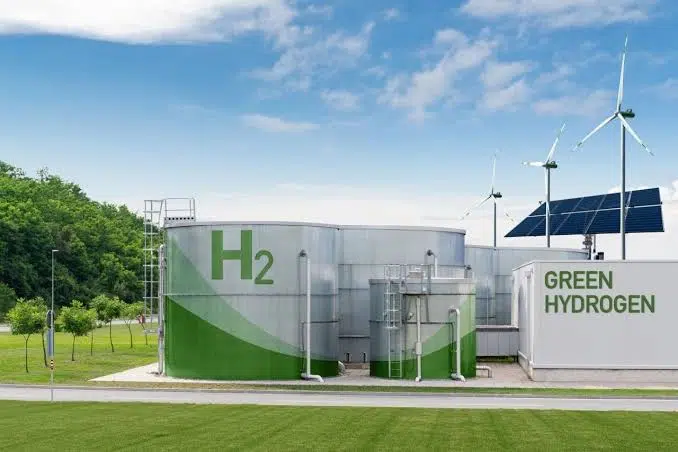
Hydrogen Service Valves in 2026: Material Selection Guide for Severe Corrosion and Embrittlement Control
As hydrogen production, storage and transportation projects expand, valve selection is becoming a critical engineering decision.
The right hydrogen service valve must control leakage, resist material degradation and maintain safe performance under demanding pressure, temperature and corrosion conditions.
Hydrogen Service Valves
Severe Service Design
Corrosion Resistant Alloys
Embrittlement Control
Table of Contents
Hydrogen is becoming one of the most important topics in clean energy, chemical processing and industrial decarbonization.
From green hydrogen production and storage systems to hydrogen blending, fuel cell supply chains and carbon capture integration, every process depends on reliable flow control equipment.
For engineers, EPC contractors and purchasing teams, the valve is not a simple commodity in hydrogen service.
Hydrogen is a small molecule that can challenge sealing systems, penetrate materials and accelerate failure mechanisms when the wrong material or valve design is selected.
This makes hydrogen service valves a key part of plant safety, long-term reliability and lifecycle cost control.
The correct choice depends on media composition, pressure, temperature, leakage requirements, material compatibility, sealing structure and inspection standards.
Why Hydrogen Valve Selection Matters in 2026
In traditional water, oil, steam or general chemical service, many valves fail mainly because of corrosion, erosion, seat wear or improper sizing.
Hydrogen service adds additional risks. The valve must maintain tight shut-off while resisting hydrogen-related degradation, vibration, pressure cycling and possible low-temperature or high-pressure operation.
The global hydrogen supply chain requires different types of industrial valves, including ball valves, gate valves, globe valves, check valves, control valves and safety valves.
These valves may be installed in hydrogen production units, compression systems, storage facilities, pipelines, filling stations, fuel cell systems and chemical plants using hydrogen as a process gas.
Because hydrogen projects often involve high safety requirements, valve buyers are paying more attention to documentation, pressure testing, material traceability, leakage control and customized engineering support.
This is especially important when hydrogen is combined with corrosive impurities, chloride environments, acid gas, high-temperature media or offshore conditions.
Key Technical Challenges in Hydrogen Service
1. Hydrogen Embrittlement
Hydrogen can enter certain metallic materials and reduce ductility or toughness. This may increase the risk of cracking under stress, especially in high-pressure or cyclic operating conditions.
2. Leakage Control
Hydrogen molecules are extremely small, so stem packing, body gaskets, seat design and surface finish must be carefully controlled to reduce leakage risk.
3. Pressure Cycling
Hydrogen systems may experience frequent start-stop operation, pressure fluctuation or thermal cycling. Valve bodies, stems, seats and seals must be designed for stable long-term performance.
4. Corrosive Impurities
In real industrial systems, hydrogen may be associated with moisture, chlorides, hydrogen sulfide, carbon dioxide or process chemicals. These impurities can change the required valve material.
5. Low Temperature or Cryogenic Conditions
Some hydrogen and new energy systems operate under low-temperature conditions. The valve design should consider material toughness, seat performance and thermal contraction.
6. Fire Safety and External Leakage
For critical hydrogen service, fire-safe design, anti-static design, blow-out proof stem structure and fugitive emission control may be required.
Material Selection for Hydrogen Service Valves
Material selection is one of the most important steps when specifying a hydrogen service valve.
The final choice should be based on the complete working condition, including hydrogen purity, pressure, temperature, impurities, corrosion environment and required service life.
For standard hydrogen service, stainless steel or selected alloy materials may be suitable.
For aggressive chemical environments, offshore hydrogen systems, hydrogen with corrosive impurities or severe service applications, advanced alloy valves may provide better reliability.
Mobile users: swipe left or right to view the full table.
| Material | Typical Advantage | Possible Application | Engineering Note |
|---|---|---|---|
| Stainless Steel | Good general corrosion resistance and wide availability | General hydrogen systems, utility lines, clean process gas | Confirm strength, hardness, temperature range and hydrogen compatibility before use. |
| Duplex / Super Duplex Stainless Steel | Higher strength and improved chloride stress corrosion resistance | Offshore hydrogen, seawater-related systems, chloride environments | Useful where both mechanical strength and chloride resistance are required. |
| Inconel / Nickel Alloy | Excellent high-temperature strength and corrosion resistance | High-temperature hydrogen, reforming units, severe chemical service | Often selected for demanding thermal, pressure and corrosion conditions. |
| Hastelloy | Strong resistance to aggressive acids and chemical media | Chemical plants, acid service, hydrogen mixed with corrosive media | Suitable for severe corrosion where standard stainless steel may fail. |
| Titanium | Excellent corrosion resistance and lightweight structure | Chloride-containing media, seawater-related process systems | Selection must consider temperature, media chemistry and hydrogen-related risks. |
| Zirconium | Outstanding corrosion resistance in selected strong acid environments | Hydrochloric acid systems, severe chemical processing | Often used where other metals cannot provide acceptable corrosion life. |
A “hydrogen valve” must be reviewed according to actual pressure, temperature, media impurities, corrosion allowance, sealing requirement, operating cycle and project standard.
Recommended Valve Types for Hydrogen Applications
Hydrogen Ball Valves
Ball valves are widely used for quick shut-off and low flow resistance.
For hydrogen service, engineers should evaluate seat material, stem sealing, anti-static design, fire-safe structure, body material and leakage class.
A well-designed hydrogen ball valve can provide reliable isolation in production, storage and pipeline systems.
JST Valve manufactures industrial ball valves in stainless steel, duplex, Hastelloy, Inconel, Monel, titanium, zirconium and other special materials for demanding industrial applications.
Hydrogen Check Valves
Check valves prevent reverse flow and help protect compressors, pipelines and process equipment.
In hydrogen systems, reverse flow can create safety and process risks, so the check valve should be selected according to flow direction, cracking pressure, pressure drop, closing behavior and material compatibility.
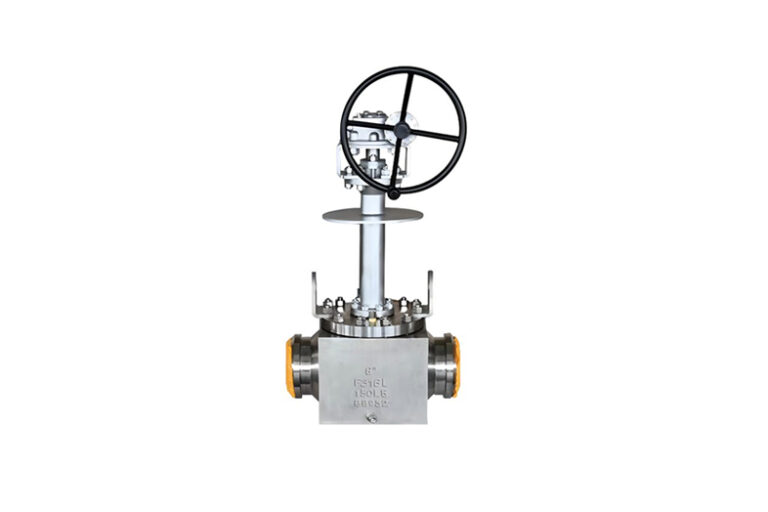
Hydrogen Globe Valves and Control Valves
Globe valves and control valves are suitable for throttling or flow regulation.
In hydrogen service, trim material, packing structure, actuator selection and leakage performance must be carefully reviewed.
Severe service control may require special trim design to handle pressure drop, noise, erosion or high-temperature operation.
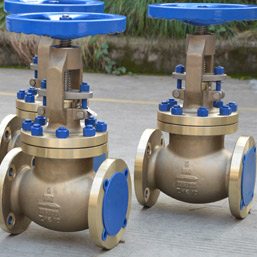
Hydrogen Gate Valves
Gate valves are commonly used for full-open or full-close isolation in larger pipelines.
For hydrogen service, sealing surfaces, wedge design, stem packing and body material should be selected to support long-term tightness and stable operation.
7 Selection Factors for Engineers and Buyers
1. Define the Complete Media Composition
Hydrogen purity is only one part of the selection process. Engineers should also confirm whether the system contains moisture, oxygen, carbon dioxide, hydrogen sulfide, chloride, acid vapor, catalyst residue or other corrosive substances.
2. Confirm Pressure, Temperature and Operating Cycles
Hydrogen systems may operate under high pressure, low temperature, high temperature or frequent pressure cycling.
Valve body strength, stem design, bolting, gasket material and seat structure must be suitable for the actual working condition.
3. Select Hydrogen-Compatible Metallic Materials
Material compatibility should be reviewed carefully to reduce the risk of hydrogen embrittlement, stress corrosion cracking or premature mechanical failure.
For severe service, engineers may consider duplex stainless steel, super duplex stainless steel, nickel alloys, Hastelloy or other special alloys depending on the process environment.
4. Control External Leakage
External leakage control is essential in hydrogen service.
The valve should use reliable stem packing, suitable gasket materials, precision machining and proper assembly procedures.
For critical applications, fugitive emission testing or low-leakage packing systems may be required.
5. Review Seat and Seal Materials
Soft seats can provide excellent sealing, but the material must be compatible with pressure, temperature and media conditions.
Metal-seated valves may be required for high temperature, abrasive media, fire-safe service or severe operating conditions.
6. Require Proper Testing and Documentation
For hydrogen service valves, buyers should request clear documentation such as material certificates, pressure test reports, dimensional inspection reports, heat treatment records and applicable project certificates.
Depending on the project requirement, shell testing, seat leakage testing, pneumatic testing, PMI and NDT inspection may also be required.
7. Choose a Manufacturer with Custom Engineering Capability
Hydrogen service often requires more than a standard catalog product.
A qualified manufacturer should be able to evaluate project data, recommend suitable materials, adjust valve structure, provide customized dimensions and support inspection requirements.
How JST Valve Supports Severe Service Applications
Fujian JST Valve Manufacturing Co., Ltd. specializes in high-performance industrial valves for corrosive, abrasive and high-temperature applications.
With many years of manufacturing experience, JST Valve provides valve solutions using titanium, Hastelloy, zirconium, nickel alloys, duplex stainless steel, super duplex stainless steel and other advanced materials.
For hydrogen and new energy applications, JST Valve can support customers by reviewing actual working conditions and recommending suitable valve materials, sealing structures and inspection requirements.
This is especially valuable for projects involving hydrogen, acid service, slurry, seawater, offshore platforms, chemical processing, LNG, high temperature media and severe corrosion.
- Custom valve material selection for severe corrosion and hydrogen-related service
- Ball valves, check valves, gate valves, globe valves, plug valves and discharge valves
- Special alloy options including Hastelloy, Inconel, Monel, titanium, zirconium and duplex stainless steel
- Engineering support for acid, slurry, seawater, high-temperature and high-pressure applications
- OEM and ODM valve manufacturing according to customer project requirements
- Inspection, pressure testing and technical documentation support
Practical Specification Checklist for Hydrogen Service Valves
Before requesting a quotation, engineers and buyers should prepare the following information.
A complete technical inquiry helps the valve manufacturer select the correct material, sealing structure and testing plan.
Mobile users: swipe left or right to view the full table.
| Required Data | Why It Matters |
|---|---|
| Fluid composition | Determines corrosion risk, hydrogen compatibility and sealing material selection. |
| Design pressure and working pressure | Affects body rating, wall thickness, bolting and pressure test requirements. |
| Design temperature and working temperature | Controls material toughness, seat selection, packing performance and thermal expansion. |
| Valve size and connection type | Defines installation requirements, flow capacity and piping compatibility. |
| Operation method | Manual, gear, pneumatic, electric or hydraulic operation affects torque and automation design. |
| Leakage requirement | Determines seat design, packing structure and testing method. |
| Applicable standard | Helps align design, inspection and documentation with project requirements. |
Conclusion
Hydrogen service is creating new technical requirements for industrial valve design.
The correct valve must do more than open and close. It must resist hydrogen-related degradation, control leakage, maintain sealing reliability and survive the actual chemical, pressure and temperature environment of the plant.
For buyers working on hydrogen production, storage, distribution, chemical processing, offshore energy or new energy material projects, material selection is the foundation of long-term reliability.
Advanced alloys such as Hastelloy, Inconel, titanium, zirconium, duplex stainless steel and super duplex stainless steel can help solve severe service problems when properly selected.
If your project involves hydrogen, corrosive media, strong acid, slurry, seawater, high temperature or high pressure, working with an experienced special alloy valve manufacturer can reduce failure risk and improve total lifecycle value.
Need a Custom Hydrogen Service Valve Solution?
JST Valve can help evaluate your working conditions and recommend suitable valve materials, structures and inspection requirements for severe service applications.
Send us your media, pressure, temperature, valve size, material requirement and applicable standard.
Our engineering team will support your project with a practical valve solution.
FAQ: Hydrogen Service Valves
What is a hydrogen service valve?
A hydrogen service valve is an industrial valve designed or selected for hydrogen production, storage, transportation or process systems.
It must consider hydrogen leakage, material compatibility, pressure, temperature, sealing reliability and safety requirements.
Which valve type is commonly used for hydrogen service?
Ball valves, check valves, globe valves, gate valves and control valves can all be used in hydrogen systems.
The correct valve type depends on whether the application requires isolation, reverse-flow prevention, throttling, pressure control or safety protection.
Why is material selection important for hydrogen valves?
Hydrogen may contribute to embrittlement, fatigue or sealing problems in unsuitable materials.
Material selection should consider hydrogen purity, pressure, temperature, impurities, corrosion environment and project standards.
Can stainless steel be used for hydrogen valves?
Stainless steel may be suitable for some hydrogen applications, but the final decision depends on pressure, temperature, hydrogen purity, stress level and corrosion conditions.
Severe service may require duplex stainless steel, nickel alloy, Hastelloy or other special alloy materials.
When should Hastelloy or Inconel valves be selected?
Hastelloy or Inconel valves may be selected for severe corrosion, high temperature, aggressive chemical media or demanding hydrogen-related applications where standard stainless steel does not provide sufficient reliability.
What information is needed to quote a hydrogen service valve?
Buyers should provide fluid composition, pressure, temperature, valve size, connection type, material preference, operation method, leakage requirement and applicable standard.
This information helps the manufacturer recommend a suitable valve design.




Really instructive and excellent anatomical structure of subject matter, now that’s user friendly (:.