

Van luyện kim: 6 yếu tố cần xem xét khi lựa chọn van cho quá trình nấu chảy
Van luyện kim là các bộ phận điều khiển lưu lượng quan trọng được sử dụng trong sản xuất thép, chế biến kim loại màu, chế biến khoáng sản, lò nấu chảy, hệ thống khí, mạch làm mát, đường ống bùn và thiết bị xử lý môi trường.
Các quy trình luyện kim thường liên quan đến nhiệt độ cao, áp suất cao, các hạt mài mòn, khí ăn mòn, bùn lỏng, hơi nước, oxy, khí đốt và các điều kiện vận hành thay đổi nhanh chóng. Các van đáng tin cậy giúp điều chỉnh lưu lượng chất lỏng, áp suất và nhiệt độ, đồng thời bảo vệ lò nung, đường ống, máy bơm, máy nén khí và các hệ thống kiểm soát ô nhiễm.
JST Valve cung cấp các giải pháp van được thiết kế theo yêu cầu, có khả năng chịu nhiệt độ cao, chống ăn mòn, chống mài mòn và tự động hóa, dành cho các ứng dụng luyện kim và nấu chảy có yêu cầu khắt khe.
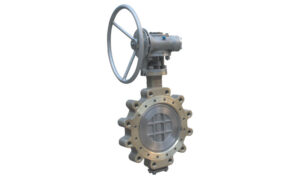
Điều kiện quy trình điển hình
Nhiệt độ cao, áp suất cao, chu kỳ nhiệt, các hạt mài mòn, khí ăn mòn, bùn lỏng và điều kiện vận hành khắc nghiệt.
Các chức năng chính của van
Cách ly, điều tiết lưu lượng, điều khiển áp suất, điều khiển nhiệt độ, chuyển hướng khí, ngăn chặn dòng chảy ngược và ngắt khẩn cấp.
Các loại van phổ biến
Van điều khiển nhiệt độ cao, van bướm, van bi, van cổng, van cầu, van một chiều và van bùn.
Van luyện kim được sử dụng ở đâu?
Các van luyện kim được lắp đặt trong toàn bộ các hệ thống chuẩn bị nguyên liệu, vận hành lò nung, xử lý khí, làm mát, xử lý hóa học, xử lý sản phẩm và bảo vệ môi trường.
- Các hệ thống phụ trợ của lò cao, lò chuyển và lò điện
- Đường ống dẫn khí lò cốc, khí lò nung, khí đốt và khí không khí đốt
- Hệ thống oxy, nitơ, hơi nước và khí nén
- Mạch nước làm mát và mạch thu hồi nhiệt
- Đường ống vận chuyển bùn, xỉ thải, tro, bụi và cặn
- Các dây chuyền tẩy axit, làm sạch kiềm và xử lý hóa học
- Hệ thống xử lý khí thải, khử lưu huỳnh và xử lý nước thải
Tại sao việc bảo dưỡng van luyện kim lại là một thách thức
Nhiệt độ cao có thể làm giảm độ bền của vật liệu, đẩy nhanh quá trình oxy hóa, gây hư hỏng các đệm van mềm và làm tăng độ giãn nở nhiệt. Việc liên tục nung nóng và làm nguội cũng có thể làm thay đổi khe hở van và tải trọng làm kín.
Bụi, cặn vôi, tro và các hạt khoáng chất có thể gây mài mòn các bộ phận như van, đĩa, bi, trục và các đường dẫn lưu chất bên trong. Các khí ăn mòn, axit, kiềm, clorua và hóa chất công nghệ có thể gây ăn mòn cả các bộ phận kim loại lẫn phi kim loại.
Do đó, van được lựa chọn phải phù hợp với toàn bộ các yếu tố kết hợp gồm nhiệt độ, áp suất, tốc độ dòng chảy, hàm lượng hạt, nguy cơ ăn mòn, tần suất vận hành, yêu cầu về rò rỉ và chế độ làm việc của bộ truyền động.
Ghi chú kỹ thuật
Một van phù hợp với khí sạch ở nhiệt độ cao có thể không phù hợp với bụi mài mòn, bùn, các hệ thống phụ trợ liên quan đến muối nóng chảy hoặc khí lò có tính ăn mòn. Mỗi điều kiện vận hành cụ thể cần được đánh giá riêng biệt.
6 yếu tố lựa chọn van luyện kim
1. Nhiệt độ hoạt động và nhiệt độ thiết kế
Hãy chỉ định nhiệt độ bình thường, nhiệt độ thiết kế tối đa, điều kiện khởi động, chu kỳ nhiệt và khả năng tỏa nhiệt. Các giá trị này ảnh hưởng đến việc lựa chọn vật liệu thân máy, các chi tiết trang trí, ghế ngồi, vật liệu làm kín, gioăng, lớp phủ và bộ truyền động.
2. Áp suất và áp suất chênh lệch
Áp suất thiết kế và chênh lệch áp suất đóng van ảnh hưởng đến độ bền của van, tải trọng làm kín, mô-men xoắn vận hành, kích thước bộ truyền động, cũng như khả năng mở hoặc đóng van trong các điều kiện bất thường.
3. Độ mài mòn và hàm lượng hạt
Bùn, tro, cặn, các hạt quặng và bụi có thể nhanh chóng làm hỏng các bề mặt làm kín thông thường. Có thể cần phải sử dụng các đế kim loại, lớp phủ cứng, các bộ phận gốm, trục được bảo vệ hoặc các đường dẫn lưu lượng được mở rộng.
4. Khả năng chống ăn mòn
Các loại khí công nghệ, axit, kiềm, clorua, nước thải và phụ gia hóa học phải được đánh giá dựa trên từng bộ phận tiếp xúc trực tiếp với môi trường. Tùy theo tính chất của môi trường, có thể xem xét sử dụng thép không gỉ, thép duplex, hợp kim niken, Hastelloy, titan, gang có hàm lượng silic cao hoặc các cấu trúc có lớp lót.
5. Độ chính xác của điều khiển lưu lượng
Cần lựa chọn van điều khiển nhiệt độ cao dựa trên hệ số lưu lượng, độ sụt áp, dải điều khiển yêu cầu, trạng thái chất lỏng, độ ồn, sự ăn mòn, phản ứng của bộ truyền động và độ ổn định của quá trình.
6. Tự động hóa và bảo trì
Các bộ truyền động khí nén, điện, thủy lực hoặc điện-thủy lực có thể hỗ trợ vận hành từ xa và ngắt khẩn cấp. Bộ van hoàn chỉnh cũng cần đảm bảo khả năng tiếp cận thuận tiện để kiểm tra, thay thế đệm van, điều chỉnh gioăng và bảo trì bộ truyền động.
Các loại van thông dụng trong ngành luyện kim và luyện kim
| Loại van | Ứng dụng điển hình |
|---|---|
| Van điều khiển nhiệt độ cao | Điều chỉnh chính xác hơi nước, khí, không khí, chất làm mát, áp suất, nhiệt độ và lưu lượng quá trình. |
| Van bướm | Cách ly hệ thống khí lò có đường kính lớn, không khí đốt, nước làm mát, hệ thống thông gió và khí thải. |
| Van bi và van cổng | Cách ly quy trình đối với các đường ống dẫn khí, nước, hơi nước, hóa chất, oxy, nhiên liệu và các dịch vụ công cộng. |
| Van bùn và van gốm | Hỗn hợp mài mòn, bùn thải, tro, hạt khoáng, cặn và các chất mang trong quá trình chế biến có độ mài mòn cao. |
| Van một chiều | Ngăn chặn dòng chảy ngược xung quanh máy bơm, máy nén, hệ thống làm mát, hệ thống khí và thiết bị xử lý. |
Trên thiết bị di động, hãy vuốt ngang để xem toàn bộ bảng.
Các van luyện kim góp phần nâng cao tính ổn định của quy trình như thế nào
Việc lựa chọn van luyện kim phù hợp giúp duy trì lưu lượng, áp suất và nhiệt độ ổn định trong quá trình vận hành lò, xử lý khí, làm mát, chuyển bùn và xử lý hóa học.
Trong các hệ thống luyện kim tự động, van luyện kim phải phản ứng chính xác với các tín hiệu điều khiển đồng thời duy trì khả năng làm kín đáng tin cậy trong điều kiện thay đổi nhiệt độ liên tục, rung động, các hạt mài mòn và áp suất thay đổi.
JST Valve phát triển các loại van luyện kim dựa trên các yếu tố cụ thể như môi trường làm việc, nhiệt độ hoạt động, chênh lệch áp suất, hàm lượng hạt, nguy cơ ăn mòn, độ chính xác điều khiển yêu cầu và điều kiện bảo trì.
Tại sao nên chọn van JST?
JST Valve chuyên phát triển các loại van luyện kim dùng cho khí nhiệt độ cao, hơi nước, nước làm mát, oxy, hóa chất, nước thải ăn mòn, bùn, tro, cặn và các hạt mài mòn.
- Các kiểu van chịu nhiệt độ cao và van có đế kim loại
- Vật liệu hợp kim đặc biệt và chống ăn mòn
- Các giải pháp van chống mài mòn, có lớp phủ cứng và van gốm
- Các bộ van khí nén, điện, thủy lực và tự động
- Các cấu trúc được thiết kế riêng dựa trên điều kiện thực tế của quy trình
Khám phá các sản phẩm van JST dành cho ngành luyện kim và các ứng dụng trong điều kiện làm việc khắc nghiệt.
Thông tin cần thiết để lựa chọn van
Để nhận được lời khuyên chính xác về van luyện kim, vui lòng cung cấp:
- Phương tiện xử lý và thành phần hóa học
- Nồng độ, kích thước và độ cứng của hạt
- Nhiệt độ hoạt động và thiết kế
- Áp suất làm việc và áp suất chênh lệch tối đa
- Kích thước van, cấp áp suất và tiêu chuẩn kết nối
- Chức năng cách ly, điều chỉnh hoặc ngắt khẩn cấp
- Thiết bị truyền động bắt buộc, tốc độ hoạt động và vị trí khi hỏng hóc
Tài liệu tham khảo kỹ thuật về van công nghiệp
Để biết thêm thông tin về việc thử nghiệm van công nghiệp và các yêu cầu đối với van bướm kim loại, vui lòng tham khảo các tiêu chuẩn quốc tế sau đây:
- ISO 5208 — Thử áp lực đối với van công nghiệp bằng kim loại
- ISO 10631 — Yêu cầu đối với van bướm kim loại
Các câu hỏi thường gặp
Những loại van nào phù hợp với các quy trình luyện kim ở nhiệt độ cao?
Có thể xem xét sử dụng các loại van điều khiển có đệm kim loại, van bướm, van bi, van cổng và van cầu. Lựa chọn cuối cùng phụ thuộc vào nhiệt độ, áp suất, môi trường làm việc, yêu cầu về độ rò rỉ, tần suất vận hành và chu kỳ nhiệt.
Những loại van nào phù hợp với bùn luyện kim và tro?
Có thể xem xét sử dụng van bùn, van gốm, van bi có lớp phủ cứng, van cửa dao và các cấu trúc chống mài mòn khác tùy theo nồng độ, kích thước, độ cứng của hạt, áp suất và tốc độ dòng chảy.
Công ty JST Valve có cung cấp van điều khiển nhiệt độ cao tự động không?
JST Valve có thể cung cấp các bộ van khí nén, điện, thủy lực và điện-thủy lực phù hợp với các yêu cầu về tín hiệu điều khiển, mô-men xoắn, lực đẩy, tốc độ vận hành, phản hồi vị trí và chức năng an toàn khi hỏng hóc.
Yêu cầu tư vấn về van luyện kim
Quý khách có nhu cầu về van cho nhà máy thép, nhà máy luyện kim, hệ thống khí lò, đường ống bùn, mạch làm mát, dây chuyền xử lý axit hoặc dự án bảo vệ môi trường? Vui lòng gửi dữ liệu quy trình và các yêu cầu kỹ thuật của quý khách đến đội ngũ kỹ sư của JST Valve.


Đây thực sự là một thông tin hay và hữu ích. Tôi rất vui vì bạn vừa chia sẻ thông tin hữu ích này với chúng tôi. Mong bạn sẽ tiếp tục cập nhật cho chúng tôi những thông tin như thế này. Cảm ơn bạn đã chia sẻ.