冶金用バルブ:製錬における6つの選定基準

Metallurgical Valves are critical flow-control components used in steelmaking, non-ferrous metal processing, mineral preparation, smelting furnaces, gas systems, cooling circuits, slurry pipelines, and environmental treatment equipment.

Metallurgical processes often involve high temperatures, high pressures, abrasive particles, corrosive gases, slurry, steam, oxygen, fuel gas, and rapidly changing operating conditions. Reliable valves help regulate fluid flow, pressure, and temperature while protecting furnaces, pipelines, pumps, compressors, and pollution-control systems.

JST Valve provides customized high-temperature, corrosion-resistant, wear-resistant, and automated valve solutions for demanding metallurgy and smelting applications.

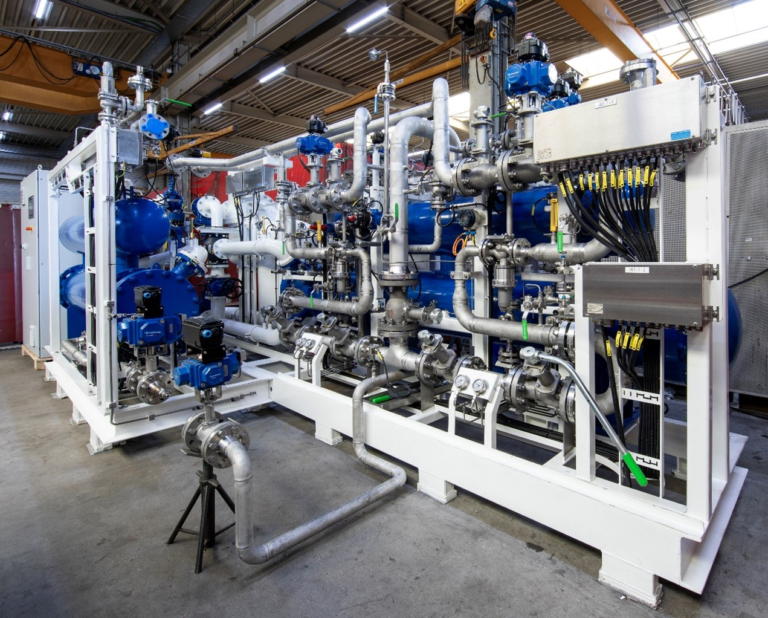
Metallurgical Valves engineered by JST Valve for high-temperature, corrosive, abrasive, and severe smelting processes.

Typical Process Conditions

High temperature, high pressure, thermal cycling, abrasive particles, corrosive gases, slurry, and heavy-duty operation.

メインバルブの機能

Isolation, flow regulation, pressure control, temperature control, gas diversion, reverse-flow prevention, and emergency shutdown.

一般的なバルブの種類

High-temperature control valves, butterfly valves, ball valves, gate valves, globe valves, check valves, and slurry valves.

Where Are Metallurgical Valves Used?

Metallurgical Valves are installed throughout raw-material preparation, furnace operation, gas treatment, cooling, chemical processing, product handling, and environmental-protection systems.

  • Blast furnace, converter, and electric furnace auxiliary systems
  • Coke-oven gas, furnace gas, fuel gas, and combustion-air pipelines
  • Oxygen, nitrogen, steam, and compressed-air systems
  • Cooling-water and heat-recovery circuits
  • Slurry, tailings, ash, dust, and residue pipelines
  • Acid pickling, alkali cleaning, and chemical-treatment lines
  • Flue-gas treatment, desulfurization, and wastewater systems

Why Metallurgical Valve Service Is Challenging

High temperatures can reduce material strength, accelerate oxidation, damage soft seats, and increase thermal expansion. Frequent heating and cooling may also change valve clearances and sealing loads.

Dust, scale, ash, and mineral particles can erode seats, discs, balls, stems, and internal flow passages. Corrosive gases, acids, alkalis, chlorides, and process chemicals may attack both metallic and non-metallic components.

The selected valve must therefore match the complete combination of temperature, pressure, flow velocity, particle content, corrosion risk, operating frequency, leakage requirement, and actuator duty.

技術ノート

A valve suitable for clean high-temperature gas may not be suitable for abrasive dust, slurry, molten-salt-related auxiliary systems, or corrosive furnace gas. Each process duty should be evaluated separately.

6 Selection Factors for Metallurgical Valves

1. Operating and Design Temperature

Specify normal temperature, maximum design temperature, startup conditions, thermal cycling, and possible heat radiation. These values affect body materials, trim, seats, packing, gaskets, coatings, and actuator selection.

2. Pressure and Differential Pressure

Design pressure and shut-off differential pressure influence valve strength, sealing load, operating torque, actuator size, and the ability to open or close during abnormal conditions.

3. Abrasion and Particle Content

Slurry, ash, scale, ore particles, and dust may rapidly damage conventional sealing surfaces. Metal seats, hard-facing, ceramic components, protected stems, or enlarged flow passages may be required.

4. Corrosion Resistance

Process gases, acids, alkalis, chlorides, wastewater, and chemical additives must be evaluated against every wetted component. Stainless steel, duplex steel, nickel alloys, Hastelloy, titanium, high-silicon cast iron, or lined structures may be considered according to the medium.

5. Flow-Control Accuracy

High-temperature control valves should be selected according to flow coefficient, pressure drop, required control range, fluid state, noise, erosion, actuator response, and process stability.

6. Automation and Maintenance

Pneumatic, electric, hydraulic, or electro-hydraulic actuators can support remote operation and emergency shutdown. The complete valve package should also provide practical access for inspection, seat replacement, packing adjustment, and actuator maintenance.

Common Valves for Metallurgy and Smelting

Typical Metallurgical Valve Applications
バルブの種類 代表的な用途
High-Temperature Control Valves Precise regulation of steam, gas, air, cooling media, pressure, temperature, and process flow.
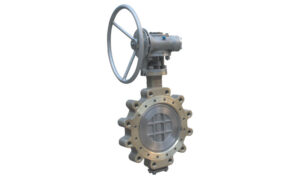
バタフライ弁 Large-diameter furnace-gas, combustion-air, cooling-water, ventilation, and flue-gas isolation.
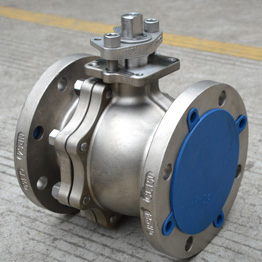
Ball and Gate Valves Process isolation for gas, water, steam, chemicals, oxygen, fuel, and utility pipelines.
スラリー用およびセラミック製バルブ Abrasive slurry, tailings, ash, mineral particles, residue, and wear-intensive process media.
逆止弁 Reverse-flow prevention around pumps, compressors, cooling systems, gas systems, and treatment equipment.

モバイル端末では、画面を横にスワイプすると表全体が表示されます。.

How Metallurgical Valves Improve Process Stability

Properly selected Metallurgical Valves help maintain stable flow, pressure, and temperature during furnace operation, gas treatment, cooling, slurry transfer, and chemical processing.

In automated smelting systems, Metallurgical Valves must respond accurately to control signals while maintaining reliable sealing under thermal cycling, vibration, abrasive particles, and changing pressure conditions.

JST Valve develops Metallurgical Valves according to the actual medium, operating temperature, differential pressure, particle content, corrosion risk, required control accuracy, and maintenance conditions.

JSTバルブを選ぶ理由

JST Valve develops Metallurgical Valves for high-temperature gases, steam, cooling water, oxygen, chemicals, corrosive wastewater, slurry, ash, residue, and abrasive particles.

  • High-temperature and metal-seated valve designs
  • 耐食性および特殊合金材料
  • Wear-resistant, hard-faced, and ceramic valve solutions
  • 空圧式、電動式、油圧式、および自動式バルブパッケージ
  • Customized structures based on actual process conditions

Explore JST Valve products for metallurgy and severe-service applications.

View Control Valves

バタフライバルブを見る

ボールバルブを見る

バルブの選定に必要な情報

For an accurate Metallurgical Valve recommendation, please provide:

  • プロセス媒体および化学組成
  • Particle concentration, size, and hardness
  • 動作温度および設計温度
  • 使用圧力および最大差圧
  • バルブのサイズ、圧力クラス、および接続規格
  • Isolation, regulation, or emergency-shutdown function
  • Required actuator, operating speed, and fail position

Technical References for Industrial Valves

For additional information about industrial valve testing and metallic butterfly valve requirements, review the following international standards:

よくある質問

Which valves are suitable for high-temperature metallurgical processes?

Metal-seated control valves, butterfly valves, ball valves, gate valves, and globe valves may be considered. The final selection depends on temperature, pressure, medium, leakage requirement, operating frequency, and thermal cycling.

Which valves are suitable for metallurgical slurry and ash?

Slurry valves, ceramic valves, hard-faced ball valves, knife gate valves, and other wear-resistant structures may be considered according to particle concentration, size, hardness, pressure, and flow velocity.

Can JST Valve provide automated high-temperature control valves?

JST Valve can provide pneumatic, electric, hydraulic, and electro-hydraulic valve packages according to the required control signal, torque, thrust, operating speed, position feedback, and fail-safe function.

Request a Metallurgical Valve Recommendation

Need valves for a steel plant, smelter, furnace-gas system, slurry pipeline, cooling circuit, acid-treatment line, or environmental-protection project? Send your process data and technical requirements to the JST Valve engineering team.

技術見積もりの依頼

類似投稿

コメントを残す

メールアドレスが公開されることはありません。 が付いている欄は必須項目です