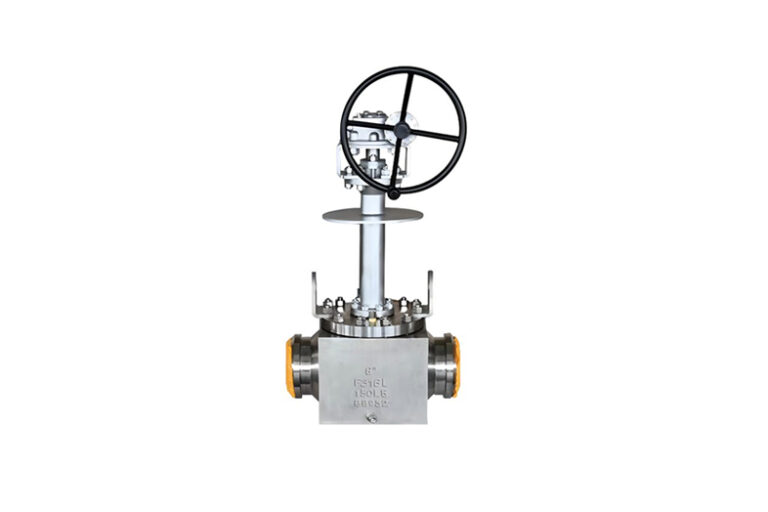

Клапаны для энергетики: 7 факторов, определяющих выбор
Клапаны для энергетики — это важнейшие узлы регулирования расхода, применяемые на тепловых электростанциях, установках комбинированного цикла, гидроэлектростанциях, электростанциях, работающих на биомассе, системах переработки отходов в энергию, а также на промышленных энергоблоках.
Эти клапаны регулируют подачу пара, питательной воды в котел, конденсата, охлаждающей воды, топливного газа, сжатого воздуха, химических веществ и рабочих сред, используемых в турбинах. Надежная работа клапанов способствует поддержанию стабильного давления, расхода, температуры и уровня воды, а также обеспечивает защиту котлов, турбин, насосов, трубопроводов и вспомогательного оборудования.
Компания JST Valve разрабатывает высокотемпературные, высоконапорные, коррозионно- и износостойкие, а также автоматизированные арматурные решения для сложных условий эксплуатации в энергетике.
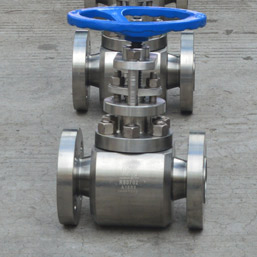
Типичные энергетические объекты
Тепловые электростанции, электростанции комбинированного цикла, гидроэлектростанции, электростанции, работающие на биомассе, и промышленные энергосистемы.
Основные технологические среды
Пар под высоким давлением, питательная вода, конденсат, охлаждающая вода, топливный газ, воздух, химические вещества, шлам и сточные воды.
Распространенные типы клапанов
Регулирующие клапаны, шаровые клапаны, задвижки, шаровые краны, дроссельные клапаны, обратные клапаны и клапаны для работы в тяжелых условиях эксплуатации.
Где применяются клапаны для энергетических установок?
Клапаны для энергетических установок устанавливаются во всех системах: в системах производства пара, эксплуатации турбин, циркуляции воды, подачи топлива, охлаждения, очистки выбросов, а также в вспомогательных системах станции.
- Системы подачи питательной воды в котел и системы подачи питательной воды при запуске
- Трубопроводы главного пара и перегретого пара
- Системы байпаса турбины и подготовки пара
- Системы конденсата и рециркуляции с помощью насосов
- Трубопроводы охлаждающей и циркулирующей воды
- Трубопроводы для топливного газа, воздуха для горения и вспомогательного пара
- Системы десульфуризации дымовых газов и очистки сточных вод
- Напорные трубопроводы гидроэлектростанций и системы впуска воды в турбины
- Системы гидроэлектрического охлаждения, дренажа, байпаса и подачи вспомогательной воды
Применение клапанов на тепловых электростанциях
На тепловых и парогазовых электростанциях клапаны подвергаются воздействию высокотемпературного пара, воды под высоким давлением, термических циклов, вибрации, кавитации, флэшинга, шума и быстро меняющихся условий нагрузки.
Регулирующие клапаны подачи воды в котел регулируют поток воды, поступающий в котел, и помогают поддерживать необходимый уровень воды. Клапаны подготовки пара и байпаса турбины снижают давление и температуру пара перед его поступлением в последующее оборудование.
Главные запорные клапаны паропровода, клапаны рециркуляции насосов, обратные клапаны, сливные клапаны и клапаны системы охлаждающей воды должны надежно функционировать во время запуска станции, в режиме нормальной работы, при изменениях нагрузки, при остановке станции и в аварийных ситуациях.
Применение клапанов на гидроэлектростанциях
На гидроэлектростанциях клапаны используются для регулирования поступления воды в турбину, изоляции напорных трубопроводов, защиты оборудования, предотвращения обратного потока, а также для управления системами охлаждения, смазки, дренажа и подачи вспомогательной воды.
Впускные клапаны турбин должны надежно закрываться даже при высоком давлении воды. Выбор конструкции крупных дроссельных или шаровых клапанов зависит от напора воды, диаметра трубопровода, времени закрытия, требований к утечке, гидравлических сил и концепции безопасности станции.
Также необходимо тщательно контролировать скорость работы клапана, поскольку его быстрое закрытие может вызвать гидравлический удар и разрушительные скачки давления в напорном трубопроводе или системе водоснабжения.
Техническое примечание
Клапан, пригодный для охлаждающей воды низкого давления, может оказаться непригодным для питательной воды котла высокого давления, пара байпаса турбины, абразивной суспензии для десульфуризации или напорного трубопровода гидроэлектростанции с высоким напором. Каждый конкретный случай эксплуатации необходимо оценивать отдельно.
7 факторов, определяющих выбор клапанов для энергетических установок
1. Рабочая среда и принцип действия клапана
Определите конкретную среду и необходимые функции. Пар, питательная вода, охлаждающая вода, топливный газ, воздух, химические вещества, шлам и сточные воды предъявляют различные требования к материалам, уплотнениям, системам управления и техническому обслуживанию.
2. Температура и давление
Нормальная рабочая температура, расчетная температура, рабочее давление, расчетное давление и максимальный перепад давления определяют класс корпуса, конструкцию внутренних узлов, материалы седла, уплотнения, прокладки, крепеж и размер привода.
3. Кавитация, мгновенное испарение и эрозия
В системах водоснабжения с большим перепадом давления могут возникать кавитация или флэшинг. Пар и вода, протекающие с высокой скоростью, также могут вызывать эрозию внутренних деталей арматуры. В таких случаях может потребоваться использование деталей для тяжелых условий эксплуатации, многоступенчатое снижение давления, закаленные материалы или специально разработанные проходные каналы.
4. Характеристики потока и управления
Регулирующие клапаны следует подбирать с учетом коэффициента расхода, перепада давления, требуемого диапазона регулирования, состояния рабочей среды, динамики технологического процесса, предельных значений шума, точности привода и стратегии эксплуатации установки.
5. Материалы и коррозионная стойкость
Материалы должны сохранять свои эксплуатационные характеристики при заданных температуре и давлении технологического процесса, химическом составе воды, качестве пара, содержании хлоридов, применении химических реагентов для очистки, наличии частиц суспензии и в условиях коррозии. В качестве материалов можно рассматривать нержавеющую сталь, дуплексную сталь, никелевые сплавы, инконель, хастеллой, титан, керамические компоненты или детали с твердым наплавленным покрытием.
6. Требования к приводу и системе обеспечения безопасности при отказе
Пневматические, электрические, гидравлические или электрогидравлические приводы должны обеспечивать достаточный крутящий момент или тягу при максимальном перепаде давления. Необходимо определить требуемое время работы, положение при отказе, сигнал управления, обратную связь по положению и функцию аварийного отключения.
7. Тестирование, техническое обслуживание и эксплуатационная готовность установки
Клапаны для энергетических установок должны обеспечивать надёжное уплотнение, стабильное регулирование, удобство технического обслуживания, наличие заменяемых изнашиваемых деталей, а также документацию по испытаниям, соответствующую графику проверок и плановых остановок станции.
Распространенные типы клапанов, используемых в энергетике
| Тип клапана | Типичная область применения | Основные критерии отбора |
|---|---|---|
| Глобусы и регулирующие клапаны | Питательная вода котла, подготовка пара, байпас турбины, конденсат, регулирование давления и регулирование расхода. | Падение давления, кавитация, испарение, эрозия регулирующих элементов, шум, точность регулирования и отклик привода. |
| Задвижки | Изоляция магистральных паропроводов, трубопроводов подачи питательной воды, охлаждающей воды, конденсата, топлива и общих трубопроводов. | Класс давления, температура, выравнивание клина, герметичность седла, тепловое расширение и рабочая тяга. |
| Шаровые и дроссельные клапаны | Охлаждающая вода, топливный газ, вспомогательные системы, водопроводы большого диаметра, напорные трубопроводы и изоляция входа в турбину. | Перепад давления, конструкция седла, рабочий крутящий момент, время закрытия, гидравлический удар, направление потока и утечка. |
| Обратные клапаны | Защита от обратного потока в системах питательных насосов котлов, конденсатоотводных насосов, систем охлаждения и вспомогательных систем гидроэлектростанций. | Реакция на закрытие, потери давления, защита от резкого закрытия, давление растрескивания, стабильность расхода и направление монтажа. |
| Клапаны для шламов и керамические клапаны | Суспензия для десульфуризации дымовых газов, зола, сточные воды, абразивные твердые частицы и системы очистки окружающей среды. | Концентрация частиц, твёрдость, скорость потока, эрозия, засорение, промывка и износостойкие материалы. |
На мобильных устройствах проведите пальцем по экрану в горизонтальном направлении, чтобы увидеть таблицу полностью.
Как клапаны для энергетических установок повышают надежность работы станций
Правильно подобранные клапаны для энергетических установок помогают поддерживать стабильное давление пара, уровень воды в котле, расход охлаждающей воды, работу турбины и регулирование подачи воды на гидроэлектростанциях.
Точная реакция клапанов также помогает энергетическим объектам адаптироваться к запуску, остановке, изменениям спроса на электроэнергию, срабатыванию защитных устройств оборудования и другим переходным режимам работы.
Надежное уплотнение, подходящие материалы, правильный подбор размеров привода и практичные меры по техническому обслуживанию позволяют сократить количество внеплановых остановок и продлить срок службы оборудования.
Почему стоит выбрать клапаны JST?
Компания JST Valve поставляет арматуру для энергетических установок, предназначенную для работы с высокотемпературным паром, водой под высоким давлением, системами охлаждения, топливом, агрессивными химическими веществами, шламом, золой, сточными водами и системами водоснабжения гидроэлектростанций.
- Конструкции клапанов, работающих при высоких температурах и высоком давлении
- Коррозионно-стойкие материалы и материалы из специальных сплавов
- Конструкции с металлическими седлами, с твердым покрытием и износостойкие конструкции
- Пневматические, электрические, гидравлические и автоматизированные клапанные узлы
- Клапаны, изготовленные с учетом реальных условий эксплуатации установки
- Осмотр, испытания, чертежи и проектная документация
Ознакомьтесь с ассортиментом продукции JST Valve для тепловых и гидроэлектростанций, а также для энергетических объектов, работающих в экстремальных условиях.
Информация, необходимая для выбора клапана
Для получения точной рекомендации по выбору клапана для энергетических установок просим предоставить следующую информацию:
- Тип электростанции и место установки клапана
- Технологическая среда и химический состав
- Рабочая и расчетная температура
- Рабочее давление и максимальный перепад давления
- Требуемый расход или коэффициент расхода
- Размер клапана, класс давления и стандарт соединения
- Функция изоляции, регулирования, обхода или аварийного отключения
- Требования к утечкам, кавитации, испарению и шуму
- Тип привода, управляющий сигнал, время работы и положение в случае отказа
- Требования к инспекциям, испытаниям, сертификации и документации
Технические справочные материалы
Дополнительную техническую информацию о регулировании стока на электростанциях и эксплуатации гидроэлектростанций можно найти в следующих отраслевых источниках:
- Применение систем регулирования расхода компании Emerson Power Industry
- Решения компании Flowserve для традиционных паровых электростанций
- Решения Valmet по автоматизации гидроэлектростанций
Часто задаваемые вопросы
Какие клапаны обычно используются на тепловых электростанциях?
Глобусы и регулирующие клапаны обычно используются для регулирования подачи питательной воды, пара, давления и расхода. Задвижки, шаровые краны, дроссельные клапаны и обратные клапаны применяются для отсечки, подачи охлаждающей воды, топлива, конденсата, а также для предотвращения обратного потока.
Какие клапаны используются на гидроэлектростанциях?
Для отсечки входа в турбину, затворов, байпасных линий, систем охлаждающей воды, дренажа и вспомогательных систем могут использоваться крупногабаритные дроссельные клапаны, шаровые краны, задвижки, обратные клапаны и регулирующие клапаны.
Почему в клапанах электростанций используются исполнения для работы в тяжелых условиях эксплуатации?
Узлы для работы в тяжелых условиях помогают справляться с высоким перепадом давления, кавитацией, испарением, эрозией, вибрацией и шумом. Конкретная конструкция узла зависит от технологической среды и условий эксплуатации.
Может ли компания JST Valve поставлять автоматизированные клапаны для энергетических установок?
Компания JST Valve может поставить комплекты пневматических, электрических, гидравлических и электрогидравлических клапанов в соответствии с требуемым крутящим моментом, усилием, рабочей скоростью, сигналом управления, обратной связью и функцией отказоустойчивости.
Запросить рекомендацию по выбору клапана для энергетических установок
Вам нужны арматура для тепловой электростанции, станции комбинированного цикла, гидроэлектростанции, котельной, байпаса турбины, контура охлаждающей воды или проекта по очистке окружающей среды? Пришлите данные о технологическом процессе и технические требования инженерной команде JST Valve.
Мы проанализируем рабочую среду, температуру, давление, условия потока, работу клапана, материалы, систему уплотнения, привод, объем испытаний и требования к документации.