

Válvulas metalúrgicas: 6 factores a tener en cuenta a la hora de elegir válvulas para la fundición
Las válvulas metalúrgicas son componentes fundamentales para el control del flujo que se utilizan en la fabricación de acero, el procesamiento de metales no ferrosos, la preparación de minerales, los hornos de fundición, los sistemas de gas, los circuitos de refrigeración, las tuberías de lodos y los equipos de tratamiento medioambiental.
Los procesos metalúrgicos suelen implicar altas temperaturas, altas presiones, partículas abrasivas, gases corrosivos, lodos, vapor, oxígeno, gas combustible y condiciones de funcionamiento que cambian rápidamente. Las válvulas fiables ayudan a regular el caudal, la presión y la temperatura de los fluidos, al tiempo que protegen los hornos, las tuberías, las bombas, los compresores y los sistemas de control de la contaminación.
JST Valve ofrece soluciones personalizadas de válvulas automatizadas, resistentes a altas temperaturas, a la corrosión y al desgaste, para aplicaciones exigentes en los sectores de la metalurgia y la fundición.
Condiciones típicas del proceso
Altas temperaturas, alta presión, ciclos térmicos, partículas abrasivas, gases corrosivos, lodos y funcionamiento en condiciones extremas.
Funciones principales de la válvula
Aislamiento, regulación del caudal, control de la presión, control de la temperatura, desviación de gas, prevención de flujo inverso y parada de emergencia.
Tipos comunes de válvulas
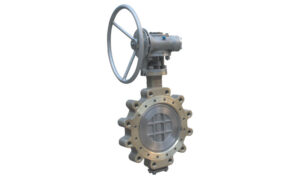
Válvulas de control para altas temperaturas, válvulas de mariposa, válvulas de bola, válvulas de compuerta, válvulas de paso, válvulas de retención y válvulas para lodos.
¿Dónde se utilizan las válvulas metalúrgicas?
Las válvulas metalúrgicas se instalan en todos los procesos de preparación de materias primas, funcionamiento de hornos, tratamiento de gases, refrigeración, procesamiento químico, manipulación de productos y sistemas de protección medioambiental.
- Sistemas auxiliares de altos hornos, convertidores y hornos eléctricos
- Tuberías de gas de horno de coque, gas de horno, gas combustible y aire de combustión
- Sistemas de oxígeno, nitrógeno, vapor y aire comprimido
- Circuitos de agua de refrigeración y de recuperación de calor
- Tuberías para lodos, residuos mineros, cenizas, polvo y residuos
- Líneas de decapado ácido, limpieza alcalina y tratamiento químico
- Sistemas de tratamiento de gases de combustión, desulfuración y aguas residuales
Por qué el mantenimiento de válvulas metalúrgicas supone un reto
Las altas temperaturas pueden reducir la resistencia de los materiales, acelerar la oxidación, dañar las sedes blandas y aumentar la dilatación térmica. Los ciclos frecuentes de calentamiento y enfriamiento también pueden alterar las holguras de las válvulas y las cargas de estanqueidad.
El polvo, las incrustaciones, las cenizas y las partículas minerales pueden erosionar los asientos, los discos, las bolas, los vástagos y los conductos internos de flujo. Los gases corrosivos, los ácidos, los álcalis, los cloruros y los productos químicos de proceso pueden atacar tanto a los componentes metálicos como a los no metálicos.
Por lo tanto, la válvula seleccionada debe ajustarse a la combinación completa de temperatura, presión, velocidad de flujo, contenido de partículas, riesgo de corrosión, frecuencia de funcionamiento, requisitos de estanqueidad y modo de funcionamiento del actuador.
Nota técnica
Una válvula adecuada para gases limpios a alta temperatura puede no serlo para polvos abrasivos, lodos, sistemas auxiliares relacionados con sales fundidas o gases de horno corrosivos. Cada aplicación del proceso debe evaluarse por separado.
6 factores a tener en cuenta en la selección de válvulas metalúrgicas
1. Temperatura de funcionamiento y de diseño
Especifique la temperatura normal, la temperatura máxima de diseño, las condiciones de puesta en marcha, los ciclos térmicos y la posible radiación térmica. Estos valores influyen en la elección de los materiales de la carcasa, los acabados, los asientos, las juntas, los revestimientos y los actuadores.
2. Presión y presión diferencial
La presión de diseño y la presión diferencial de cierre influyen en la resistencia de la válvula, la carga de estanqueidad, el par de accionamiento, el tamaño del actuador y la capacidad de abrirse o cerrarse en condiciones anómalas.
3. Abrasión y contenido de partículas
Las suspensiones, las cenizas, las incrustaciones, las partículas de mineral y el polvo pueden dañar rápidamente las superficies de sellado convencionales. Puede ser necesario utilizar asientos metálicos, recubrimientos endurecidos, componentes cerámicos, vástagos protegidos o conductos de flujo de mayor diámetro.
4. Resistencia a la corrosión
Los gases de proceso, los ácidos, los álcalis, los cloruros, las aguas residuales y los aditivos químicos deben evaluarse en relación con cada componente en contacto con el medio. En función del medio, pueden considerarse el acero inoxidable, el acero dúplex, las aleaciones de níquel, el Hastelloy, el titanio, el hierro fundido con alto contenido en silicio o las estructuras revestidas.
5. Precisión del control de caudal
Las válvulas de control para altas temperaturas deben seleccionarse en función del coeficiente de caudal, la caída de presión, el rango de control requerido, el estado del fluido, el ruido, la erosión, la respuesta del actuador y la estabilidad del proceso.
6. Automatización y mantenimiento
Los actuadores neumáticos, eléctricos, hidráulicos o electrohidráulicos pueden permitir el funcionamiento a distancia y la parada de emergencia. El conjunto completo de la válvula también debe permitir un acceso práctico para la inspección, la sustitución del asiento, el ajuste de la empaquetadura y el mantenimiento del actuador.
Válvulas habituales en metalurgia y fundición
| Tipo de válvula | Aplicación típica |
|---|---|
| Válvulas de control para altas temperaturas | Regulación precisa del vapor, el gas, el aire, los fluidos de refrigeración, la presión, la temperatura y el caudal del proceso. |
| Válvulas de mariposa | Aislamiento de los conductos de gran diámetro para gases de horno, aire de combustión, agua de refrigeración, ventilación y gases de combustión. |
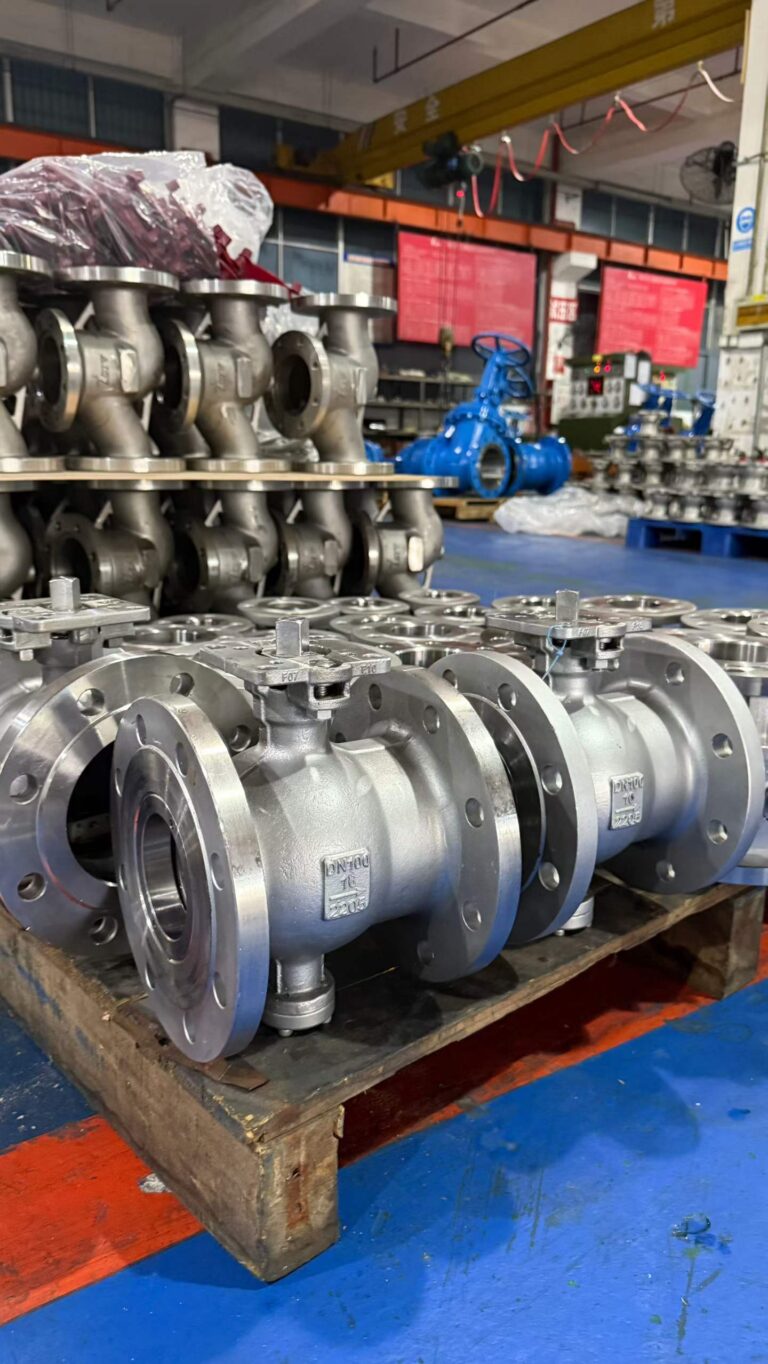
| Válvulas de bola y de compuerta | Aislamiento de procesos para tuberías de gas, agua, vapor, productos químicos, oxígeno, combustible y servicios públicos. |
| Válvulas para lodos y cerámica | Suspensiones abrasivas, residuos de extracción, cenizas, partículas minerales, residuos y medios de proceso sujetos a un desgaste intenso. |
| Válvulas de retención | Prevención del reflujo en bombas, compresores, sistemas de refrigeración, sistemas de gas y equipos de tratamiento. |
En los dispositivos móviles, desliza el dedo horizontalmente para ver la tabla completa.
Cómo las válvulas metalúrgicas mejoran la estabilidad del proceso
Las válvulas metalúrgicas, si se seleccionan adecuadamente, ayudan a mantener un caudal, una presión y una temperatura estables durante el funcionamiento del horno, el tratamiento de gases, la refrigeración, el trasvase de lodos y los procesos químicos.
En los sistemas de fundición automatizados, las válvulas metalúrgicas deben responder con precisión a las señales de control, al tiempo que mantienen un sellado fiable en condiciones de ciclos térmicos, vibraciones, partículas abrasivas y variaciones de presión.
JST Valve desarrolla válvulas metalúrgicas en función del fluido concreto, la temperatura de funcionamiento, la presión diferencial, el contenido de partículas, el riesgo de corrosión, la precisión de control requerida y las condiciones de mantenimiento.
¿Por qué elegir la válvula JST?
JST Valve desarrolla válvulas metalúrgicas para gases a alta temperatura, vapor, agua de refrigeración, oxígeno, productos químicos, aguas residuales corrosivas, lodos, cenizas, residuos y partículas abrasivas.
- Diseños de válvulas para altas temperaturas y con asiento metálico
- Materiales resistentes a la corrosión y aleaciones especiales
- Soluciones para válvulas resistentes al desgaste, con recubrimiento duro y de cerámica
- Conjuntos de válvulas neumáticas, eléctricas, hidráulicas y automatizadas
- Estructuras personalizadas basadas en las condiciones reales del proceso
Descubre los productos de JST Valve para metalurgia y aplicaciones en condiciones extremas.
Información necesaria para la selección de válvulas
Para que podamos ofrecerle una recomendación precisa sobre válvulas metalúrgicas, le rogamos que nos facilite:
- Composición química y del medio de proceso
- Concentración, tamaño y dureza de las partículas
- Temperatura de funcionamiento y de diseño
- Presión de funcionamiento y presión diferencial máxima
- Tamaño de la válvula, clase de presión y norma de conexión
- Función de aislamiento, regulación o parada de emergencia
- Actuador necesario, velocidad de funcionamiento y posición de seguridad
Referencias técnicas para válvulas industriales
Para obtener más información sobre los ensayos de válvulas industriales y los requisitos de las válvulas de mariposa metálicas, consulte las siguientes normas internacionales:
- ISO 5208 — Ensayos de presión de válvulas industriales metálicas
- ISO 10631 — Requisitos para las válvulas de mariposa metálicas
Preguntas frecuentes
¿Qué válvulas son adecuadas para procesos metalúrgicos a alta temperatura?
Se pueden considerar válvulas de control con asiento metálico, válvulas de mariposa, válvulas de bola, válvulas de compuerta y válvulas de globo. La selección final depende de la temperatura, la presión, el fluido, los requisitos de fugas, la frecuencia de funcionamiento y los ciclos térmicos.
¿Qué válvulas son adecuadas para lodos metalúrgicos y cenizas?
Se pueden considerar válvulas para lodos, válvulas cerámicas, válvulas de bola con revestimiento duro, válvulas de compuerta de cuchilla y otras estructuras resistentes al desgaste, en función de la concentración, el tamaño y la dureza de las partículas, así como de la presión y la velocidad del flujo.
¿Puede JST Valve suministrar válvulas de control automatizadas para altas temperaturas?
JST Valve puede suministrar conjuntos de válvulas neumáticas, eléctricas, hidráulicas y electrohidráulicas en función de la señal de control, el par, el empuje, la velocidad de funcionamiento, la retroalimentación de posición y la función de seguridad ante fallos requeridos.
Solicitar una recomendación sobre válvulas metalúrgicas
¿Necesita válvulas para una planta siderúrgica, una fundición, un sistema de gases de horno, una tubería de lodos, un circuito de refrigeración, una línea de tratamiento con ácido o un proyecto de protección medioambiental? Envíe los datos de su proceso y los requisitos técnicos al equipo de ingeniería de JST Valve.


Es una información realmente interesante y útil. Me alegro de que hayas compartido esta información tan útil con nosotros. Por favor, sigue manteniéndonos informados así. Gracias por compartirla.