
Why Valves Fail in HPAL Nickel Plants: A Sulfuric Acid & Slurry Failure Map
Severe Service Failure Analysis | HPAL Nickel Processing
When a valve fails in an HPAL plant, the problem is rarely just “corrosion.”
Acid concentration, slurry velocity, temperature, solids, pressure cycling and valve geometry usually work together.
This article maps the most common HPAL valve failure mechanisms to the process location where they occur, then shows how engineers can move from a standard valve specification to a severe-service design.
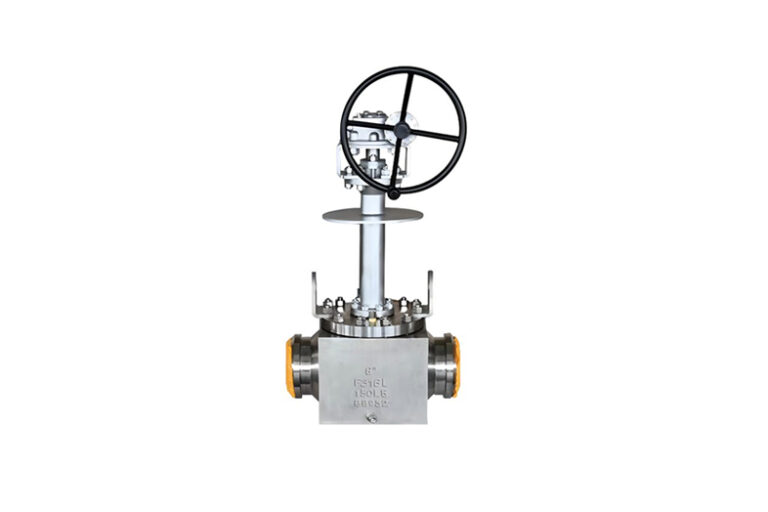
Sulfuric Acid
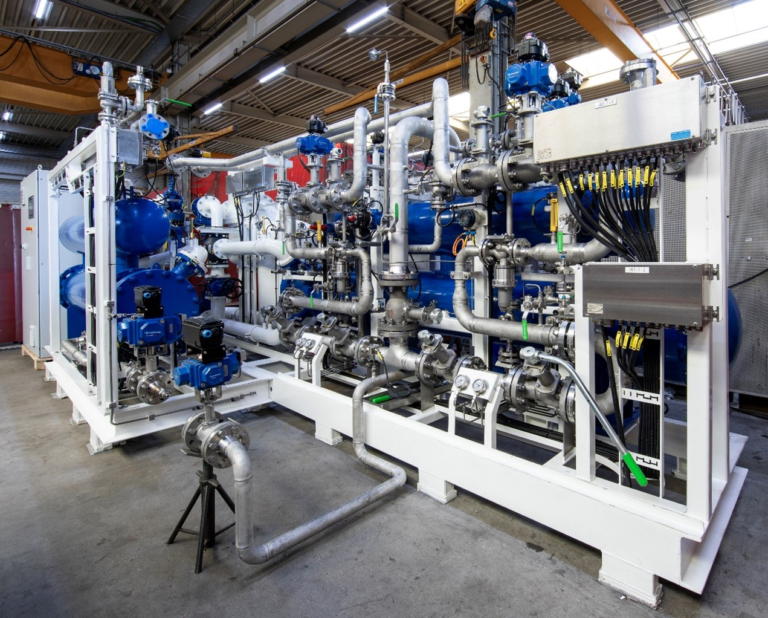
Abrasive Slurry
Special Alloy Valves
Quick Engineering Answer
The best HPAL valve is not determined by alloy grade alone.
The correct design combines corrosion resistance, erosion resistance, anti-scaling geometry, reliable sealing and a valve structure matched to the exact process position.
HPAL Valve Failure Map
- Why HPAL Valve Reliability Matters More in 2026
- Where Valves Fail Across an HPAL Process
- Failure 1: Acid Corrosion
- Failure 2: Slurry Erosion
- Failure 3: Scaling and Jamming
- Failure 4: Seat and Stem Leakage
- Material Upgrade Map
- Which Valve Type Fits Which Duty?
- HPAL Valve RFQ Checklist
- JST Valve Severe-Service Solutions
- FAQ
High-pressure acid leaching is one of the most demanding hydrometallurgical services for industrial valves.
A single process line may combine hot sulfuric acid, nickel-bearing slurry, suspended solids, high pressure, repeated cycling and precipitation products.
That combination explains why HPAL valves often fail differently from valves in ordinary chemical service.
A material that survives a static acid corrosion test can still lose its sealing surface when abrasive solids pass through it.
A valve with a hard trim may resist erosion but become difficult to operate when scale deposits accumulate around the seat.
This is the point where specifying only “SS316 valve,” “Hastelloy valve” or even “special alloy valve” becomes inadequate.
Engineers need to look at the failure mechanism first and select the valve structure second.
Start by asking exactly where the damage occurred: body wall, seat, ball or disc, stem, packing, flange face or downstream pipe.
Why HPAL Valve Reliability Matters More in 2026
Indonesia has become central to global nickel refining and battery-material production.
HPAL technology is increasingly important because it converts lateritic nickel resources into intermediate products used further down the battery supply chain.
At the same time, the economics of acid-intensive processing have become more visible.
Sulfur supply disruptions in 2026 placed additional pressure on Indonesian nickel processors because sulfur is needed to produce the sulfuric acid consumed by HPAL operations.
When acid, maintenance and production downtime all become more expensive, a leaking or frequently replaced valve is no longer a small maintenance issue.
It becomes part of the plant’s operating cost.
Industry background can be reviewed in the
IEA Global Critical Minerals Outlook 2026.
Where Valves Fail Across an HPAL Process
Valve duty changes dramatically from one process section to another.
A valve used for sulfuric acid injection does not face the same failure mechanism as a valve installed in a slurry transfer line or precipitation discharge system.
Mobile and tablet users: swipe left or right to view the complete table.
| Process Position | Typical Media | Main Valve Risk | What Engineers Should Check |
|---|---|---|---|
| Sulfuric Acid Storage / Injection | Concentrated or diluted H2SO4 | General corrosion, localized corrosion, seat attack | Actual concentration, temperature and possible dilution zones |
| Slurry Feed | Laterite ore slurry with solids | Erosion, jamming and seat abrasion | Solids %, particle size, velocity and operating frequency |
| Leach / Autoclave Area | Hot acidic slurry under pressure | Combined corrosion, erosion, high-temperature sealing failure | Design P/T, acid chemistry, solids and shutdown conditions |
| Flash / Pressure Letdown | High-energy two-phase or flashing fluid | Cavitation, flashing erosion, vibration and noise | Pressure drop, outlet pressure and flow regime |
| Neutralization | Acidic slurry transitioning toward neutral pH | Scaling, precipitation and plugging | Expected precipitates and cleaning procedure |
| MHP / Residue Handling | Dense solids-bearing slurry | Severe abrasion, buildup and incomplete closure | Slurry density, solids size and flushing arrangement |
Failure 1: “The Body Is Corroding” — But Which Acid Condition?
Sulfuric acid corrosion cannot be evaluated from the chemical name alone.
Concentration and temperature change the corrosion behavior of many alloys, and local dilution can create conditions that are more aggressive than the bulk acid.
This matters around acid injection points, mixing zones, drains and dead legs.
A valve selected for one concentration may spend part of its operating cycle exposed to another.
What the Failure Surface Tells You
- Uniform wall thinning usually points toward general chemical attack.
- Deep isolated pits suggest localized corrosion or deposits affecting the surface condition.
- Damage concentrated near the seat may indicate crevice conditions combined with stagnant acid.
- Damage only downstream may indicate erosion-corrosion rather than pure chemical corrosion.
Materials such as Hastelloy, zirconium or tantalum can be evaluated for severe acid duty, but the upgrade should always be based on the complete chemical condition rather than on a generic “acid resistant” label.
Failure 2: The Alloy Survives, but the Seat Is Gone
This is one of the most common mistakes in slurry valve selection: focusing on corrosion resistance while ignoring mechanical wear.
A chemically resistant alloy can still lose material quickly when hard particles strike a partially open seat at high velocity.
Throttling a conventional isolation valve in slurry service can concentrate velocity at the sealing edge and shorten service life dramatically.
Site Diagnosis
If the valve body still looks healthy but the seat, ball edge, disc or downstream bore is deeply washed out, material corrosion is probably not the only failure mechanism.
Check slurry velocity and valve opening position.
For abrasive slurry applications, the engineering solution may involve hardened sealing surfaces, ceramic components, protected seat geometry or a valve structure designed specifically for solids-containing media.
Failure 3: The Valve Will Not Close After Several Weeks
In neutralization and precipitation sections, valve failure may have little to do with material loss.
Deposits can accumulate around cavities, seats, stems and internal recesses until the valve becomes difficult to move.
This is why a valve that passes every pressure test in the factory can still fail quickly in the field.
Design Questions for Scaling Service
- Does the valve contain stagnant cavities where solids can settle?
- Can the line be flushed before shutdown?
- Does the seat scrape or trap deposits during operation?
- Can residue enter the stem or packing area?
- Can the valve be maintained without removing a large section of pipe?
A streamlined or self-cleaning design can sometimes provide more benefit than upgrading the body alloy alone.
Failure 4: No Body Damage, but Acid Appears Around the Stem
External leakage shifts the investigation from body corrosion toward packing design, stem surface, thermal cycling and actuator side load.
Packing material must be compatible with the process fluid and temperature, but packing alone cannot compensate for a damaged stem or poor alignment.
In frequently operated valves, the stem surface and packing compression system should be reviewed together.
For severe acid service, buyers should define the required external leakage performance in the RFQ instead of writing only “zero leakage.”
HPAL Valve Material Upgrade Map
The table below is not a corrosion chart and should not be used as final material approval.
It is a practical screening tool showing why different JST Valve material families exist.
Mobile and tablet users: swipe left or right to view the complete table.
| Material Family | Why Engineers Consider It | Possible Severe-Service Role | Do Not Select Before Checking |
|---|---|---|---|
| 316 / 316L Stainless Steel | Economical general corrosion resistance | Selected lower-severity process and utility lines | Acid concentration, chloride, temperature and solids |
| Duplex / Super Duplex | Higher strength and chloride resistance | Water, chloride-bearing and selected process sections | Acid chemistry and fabrication condition |
| Hastelloy | Strong resistance in many aggressive chemical environments | Acid and mixed-corrosion process duties | Exact grade, reducing/oxidizing condition and solids wear |
| Titanium | Excellent performance in many chloride and oxidizing environments | Selected chloride-rich or process-water systems | Specific sulfuric acid condition and reducing environments |
| Zirconium | High corrosion resistance in selected severe acid services | Special acid process lines where conventional alloys have short life | Fluoride contamination, process chemistry and cost justification |
| Tantalum | Exceptional corrosion resistance in many severe acid environments | Critical acid valves where service life justifies premium material | Temperature, media exceptions, construction method and lifecycle cost |
| Ceramic Components | High hardness and abrasion resistance | Slurry, ash, residue and high-wear trim applications | Impact loading, thermal shock and mechanical design |
A very expensive alloy can still fail quickly if the actual problem is erosion, cavitation, scaling or incorrect valve operation.
Which JST Valve Type Fits Which HPAL Duty?
Isolation
Special Alloy Ball Valve
Suitable where low flow resistance and reliable shut-off are required.
Seat design and cavity behavior should be reviewed carefully for solids-bearing service.
Flow Control
Globe Valve
Useful when throttling is required, but trim velocity, pressure drop, cavitation and erosion must be evaluated for slurry and flashing service.
Slurry / Deposits
Special Alloy Plunger Valve
A severe-service option for corrosive acids, abrasive slurry, ash and residue where sealing reliability and resistance to buildup are important.
Large Diameter
Special Alloy Butterfly Valve
Compact for larger lines.
Disc material, shaft, seat and slurry velocity must be considered as a complete system.
Reverse Flow
Check Valve
Protects pumps and process equipment.
Closing dynamics and minimum flow should be reviewed to prevent slam and vibration.
Tank / Reactor
Bottom Discharge Valve
Useful for vessels and process equipment handling corrosive or solids-bearing media where complete drainage and reduced dead space are important.
The Cheapest Valve Can Become the Most Expensive Line Item
Purchase price is easy to compare.
Failure cost is harder because it appears later as maintenance labor, lost production, scaffolding, flushing, chemical exposure controls, spare parts and shutdown time.
For a difficult HPAL position, a useful procurement comparison is not:
A better comparison is:
That comparison is often what justifies moving from conventional stainless steel to a carefully selected special alloy, ceramic trim or customized severe-service valve.
HPAL Valve RFQ Checklist: What JST Needs Before Material Selection
A useful HPAL valve inquiry should provide more than size, pressure class and material.
The following data allows a manufacturer to distinguish corrosion duty from erosion-corrosion or scaling duty.
Mobile and tablet users: swipe left or right to view the complete table.
| Data Required | Minimum Information | Why It Changes the Valve Design |
|---|---|---|
| Liquid Chemistry | H2SO4 concentration, chlorides, impurities and pH | Controls corrosion mechanism and alloy selection |
| Solids | Weight %, particle size and hardness | Determines erosion, plugging and seat protection requirements |
| Pressure | Design, normal and differential pressure | Controls wall thickness, seat load and actuator torque |
| Temperature | Design, normal and upset temperature | Changes corrosion rate, seal compatibility and mechanical properties |
| Flow Condition | Flow rate, velocity and whether throttling is required | Identifies erosion, cavitation and flashing risk |
| Operation | On/off frequency, emergency function and actuator type | Influences packing, stem, seat and actuator selection |
| Cleaning | Water flush, chemical wash or no flushing | Determines scaling and cavity design risk |
| Existing Failure | Photos, failed parts and approximate service life | Often reveals the actual failure mechanism faster than a specification sheet |
JST Valve Severe-Service Products for HPAL and Hydrometallurgy
JST Valve manufactures valves for corrosive acid, abrasive slurry, high-temperature and high-pressure service.
Rather than limiting an HPAL project to one material family, valve construction can be reviewed according to the failure mechanism at each process position.
Special Alloy Plunger Valve
JST Valve’s
Special Alloy Plunger Valve
is intended for severe service involving corrosive acids, abrasive slurry, ash and residue.
It is particularly relevant where conventional valve sealing structures suffer from wear, buildup or repeated maintenance.
Hastelloy Valves
Hastelloy body and trim combinations can be evaluated for aggressive acid and mixed-corrosion duties where conventional stainless steel cannot provide the required service life.
Zirconium Valves
JST Valve offers zirconium valve designs for severe chemical processing applications.
Zirconium can be considered where the actual acid chemistry favors its corrosion resistance and where lifecycle value justifies the material cost.
See an example:
JST Zirconium Butterfly Valves.
Tantalum Valves
Tantalum is a premium corrosion-resistant material used for particularly aggressive chemical applications.
JST Valve can manufacture tantalum valve configurations where the process chemistry and expected service life justify the investment.
Titanium, Duplex and Super Duplex Valves
These materials provide additional options for chloride-containing water, process liquids, utilities and selected corrosive sections of hydrometallurgical plants.
JST Valve also supplies
special alloy globe valves,
special alloy gate valves
and
special alloy check valves.
Have a Valve That Keeps Failing?
Send JST Valve the Failure Condition, Not Only the Valve Size
For HPAL and hydrometallurgical service, send us the process medium, sulfuric acid concentration, temperature, pressure, solids content, particle size and photos of the existing failed valve.
Our engineering team can review whether the problem is primarily corrosion, erosion, scaling, sealing or a combination of these mechanisms before recommending a material and valve structure.
Final Takeaway: Diagnose the Failure Before Upgrading the Alloy
HPAL valves operate where corrosion engineering and mechanical wear meet.
Sulfuric acid can attack the pressure boundary, slurry can destroy the sealing surface, precipitates can jam internal cavities and pressure cycling can challenge packing and gaskets.
That is why a successful HPAL valve specification begins with the process condition rather than a material name.
If the existing valve failed by corrosion, improve chemical compatibility.
If it failed by erosion, improve geometry and wear resistance.
If it failed because of deposits, reduce dead space and improve flushing.
If several mechanisms occurred together, the valve needs a severe-service design rather than a simple material substitution.
FAQ: HPAL Valves
What are HPAL valves?
HPAL valves are industrial valves used in high-pressure acid leach plants for sulfuric acid, slurry, leach solution, neutralization, pressure letdown and related hydrometallurgical process duties.
Why do standard stainless steel valves fail in HPAL service?
Possible causes include unsuitable acid chemistry, high temperature, chloride contamination, abrasive solids, high velocity, scaling and sealing damage. The actual failure surface should be inspected before changing materials.
Is Hastelloy always the best material for sulfuric acid valves?
No. Hastelloy performance depends on alloy grade, acid concentration, temperature and other chemicals in the stream. Other materials may be more suitable for specific conditions.
When should zirconium or tantalum valves be considered?
Zirconium or tantalum may be evaluated for particularly severe corrosive chemical service where conventional stainless steels or nickel alloys do not provide acceptable service life. Final selection must be based on complete process chemistry.
Which valve is suitable for abrasive slurry?
The correct valve depends on solids concentration, particle size, velocity, pressure and whether the valve throttles or isolates. Special alloy plunger valves, ceramic components and customized wear-resistant structures can be considered for severe slurry duty.
What information does JST Valve need for an HPAL valve quotation?
Provide the process medium, sulfuric acid concentration, impurities, solids percentage, particle size, design pressure, temperature, valve size, flow condition, operation frequency, actuator requirement and any available photos of previous valve failures.
Industry Background
For broader context on nickel and critical-mineral supply chains:
Technical note: Material recommendations in this article are general engineering screening information. Final valve material and design must be confirmed against the actual media composition, pressure, temperature, solids content, process standard and project requirements.