Home » Applications
Seawater valves refer to valves installed in seawater piping systems, used to control the flow of seawater. Their main functions include on/off control, flow regulation, and pressure control, in order to meet the operational requirements of different systems.
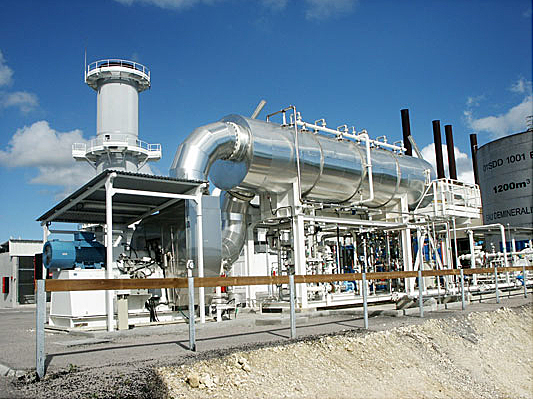
Valves are primarily used to control the pressure and flow of oil and natural gas within pipelines, ensuring that these liquids and gases flow steadily through the system and maintaining the safety of transportation.
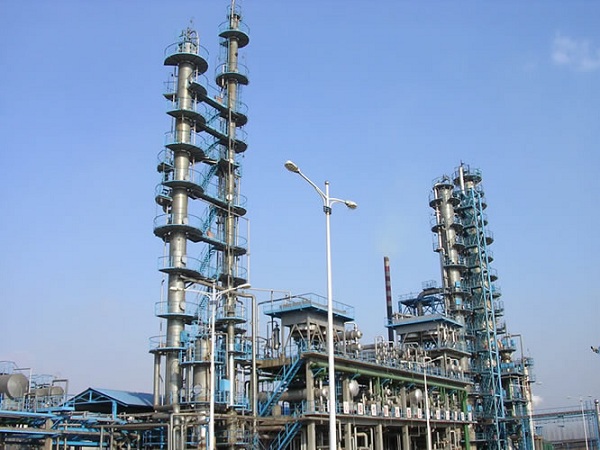
As a commonly used control valve, the butterfly valve is widely applied in industries such as petrochemicals, chemical fiber, food, pharmaceuticals, and environmental protection. It is also one of the indispensable control components in the fine chemicals industry.
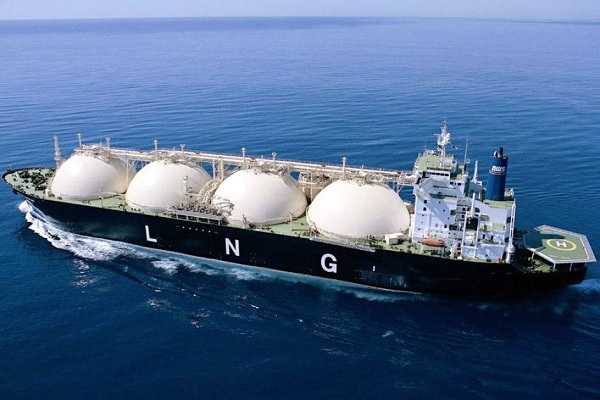
It is widely used in the LNG industry to control the flow of liquefied natural gas and regulate pressure.
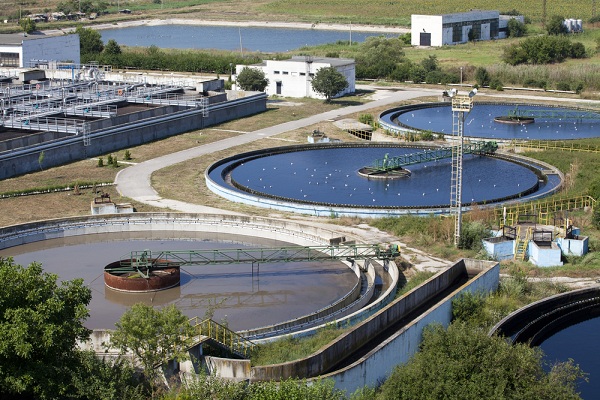
Valves are used in water treatment facilities such as water supply plants and wastewater treatment plants to regulate water flow, achieving water purification and promoting water conservation.
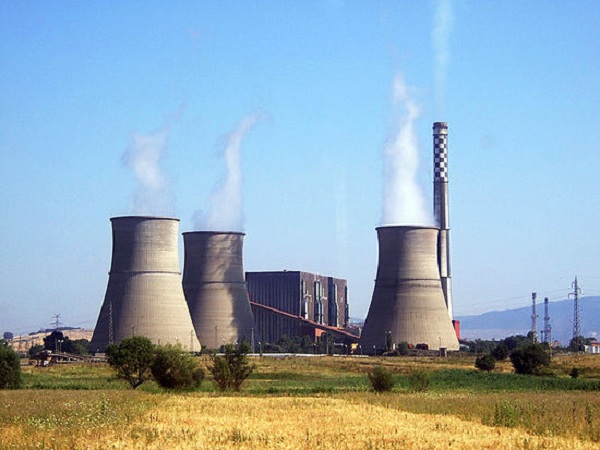
Valves are used in power facilities such as thermal power plants and hydroelectric stations to regulate the flow and pressure of fluids like steam and water, ensuring the stable operation of the power system.
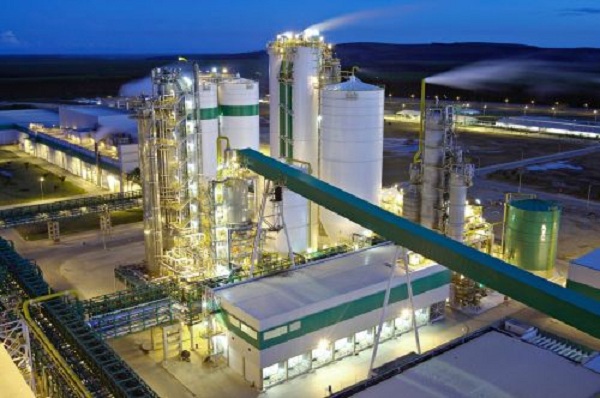
In the papermaking industry, valves serve as critical flow control devices, mainly used to regulate the flow rate and direction of media during the pulping and papermaking processes.
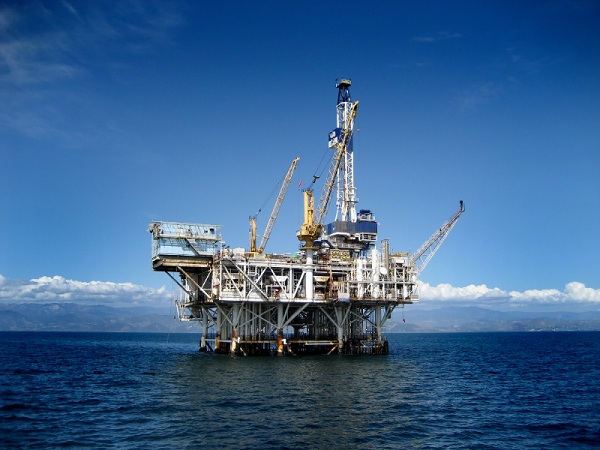
In the offshore oil and natural gas industry, pipeline transportation is one of the core components. Check valves play a crucial role in this field, as they effectively prevent backflow of the medium within pipelines and help avoid safety incidents caused by pressure fluctuations.
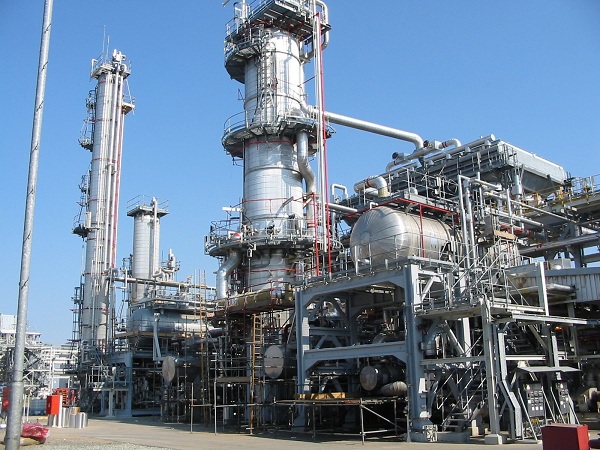
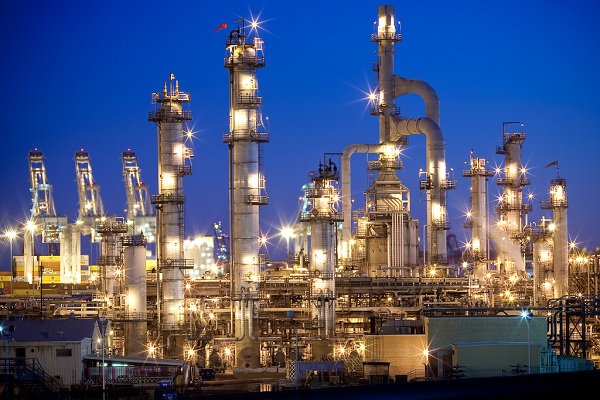
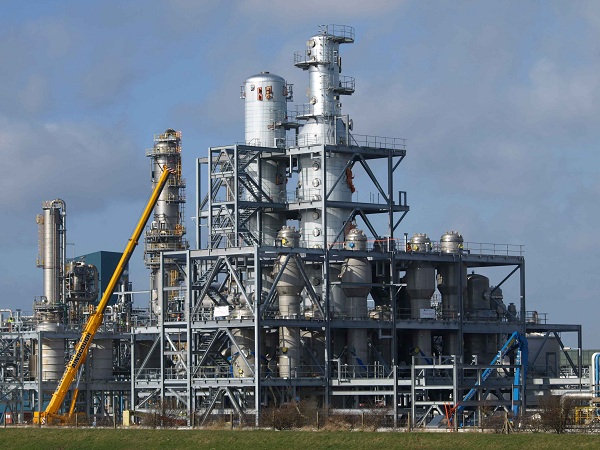
Valves are widely used in the petrochemical industry, mainly for controlling the flow rate, pressure, and direction of various media such as liquids, gases, and steam.
WhatsApp us